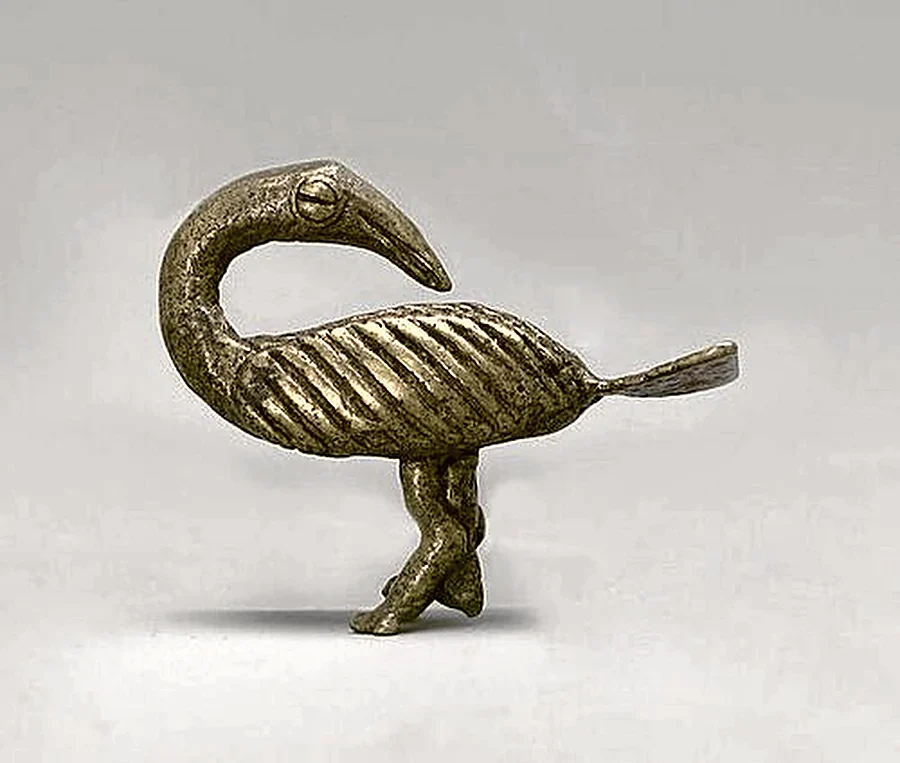
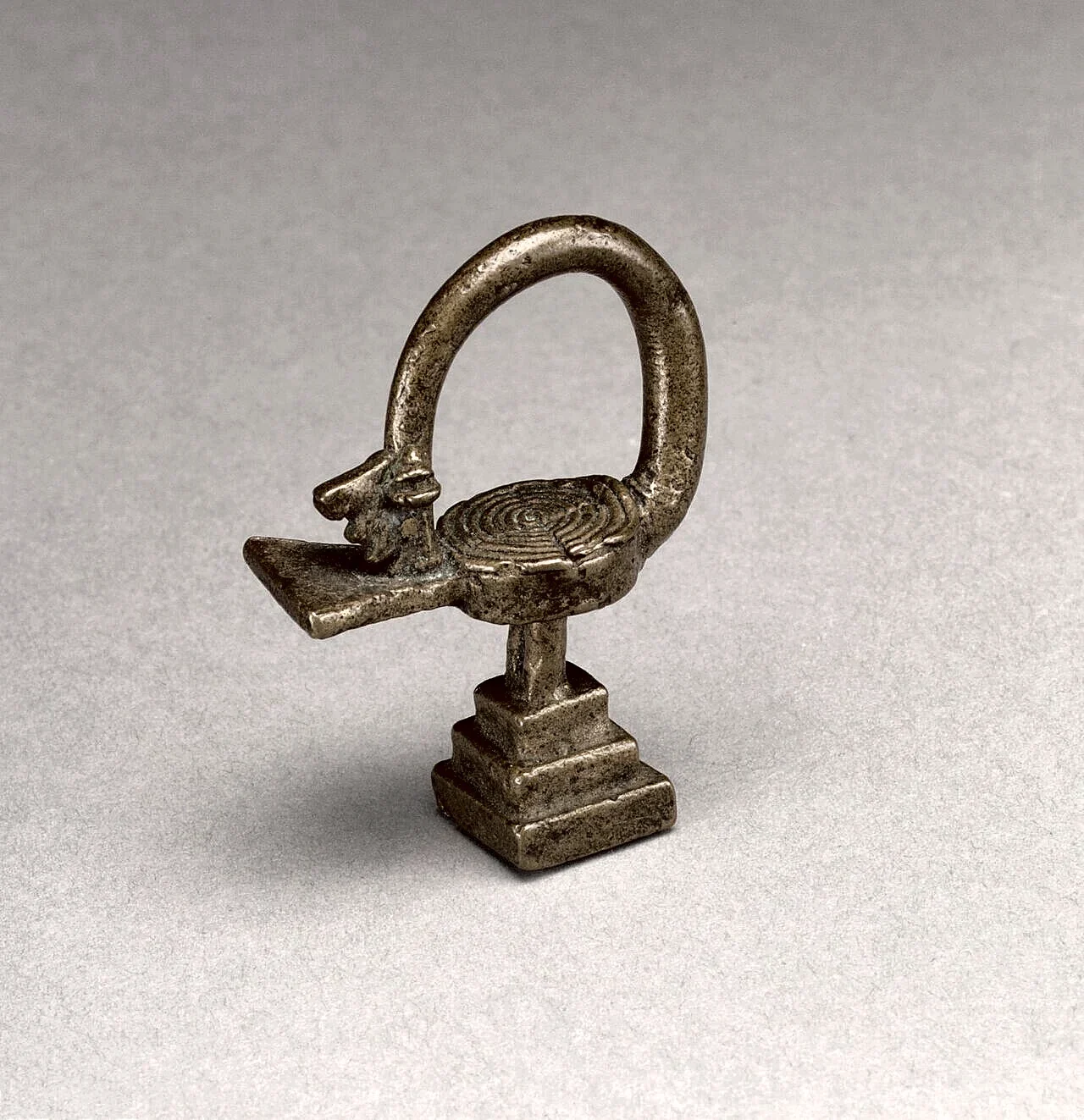
recorded 1927; in use today
Sankofa (bird form): go back and fetch it
Sankofa; san ko fa
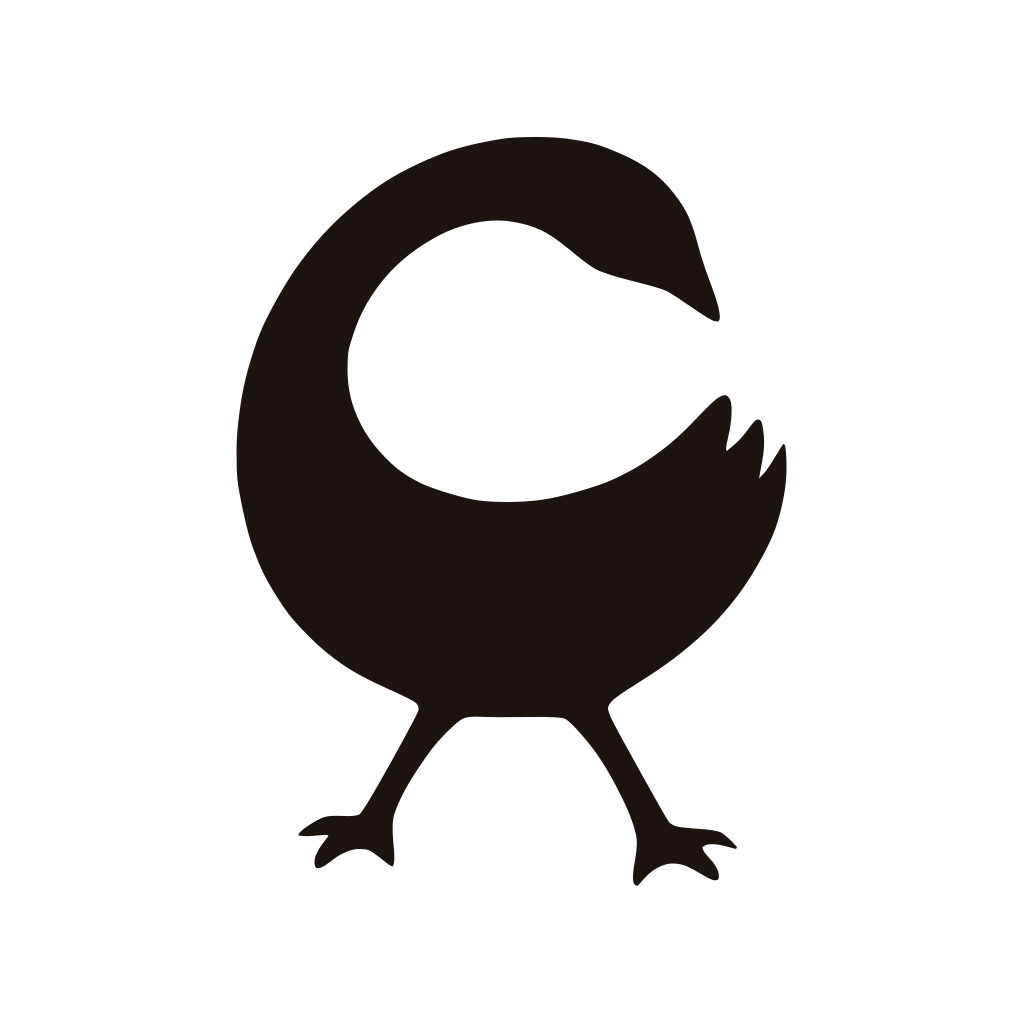
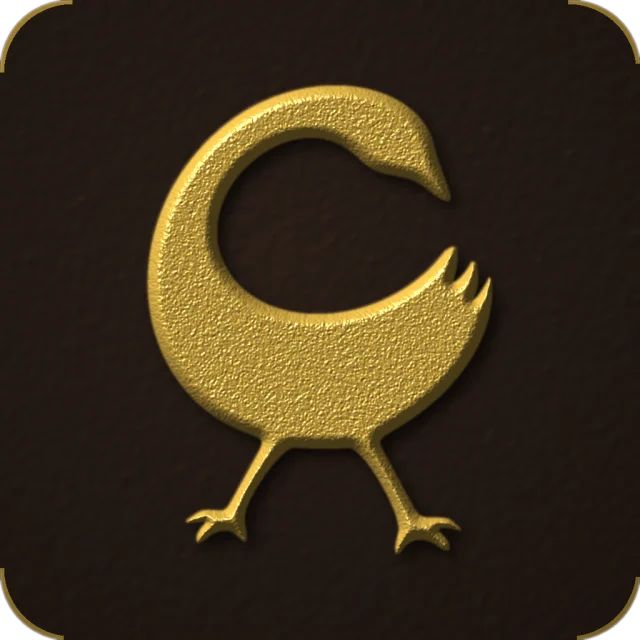
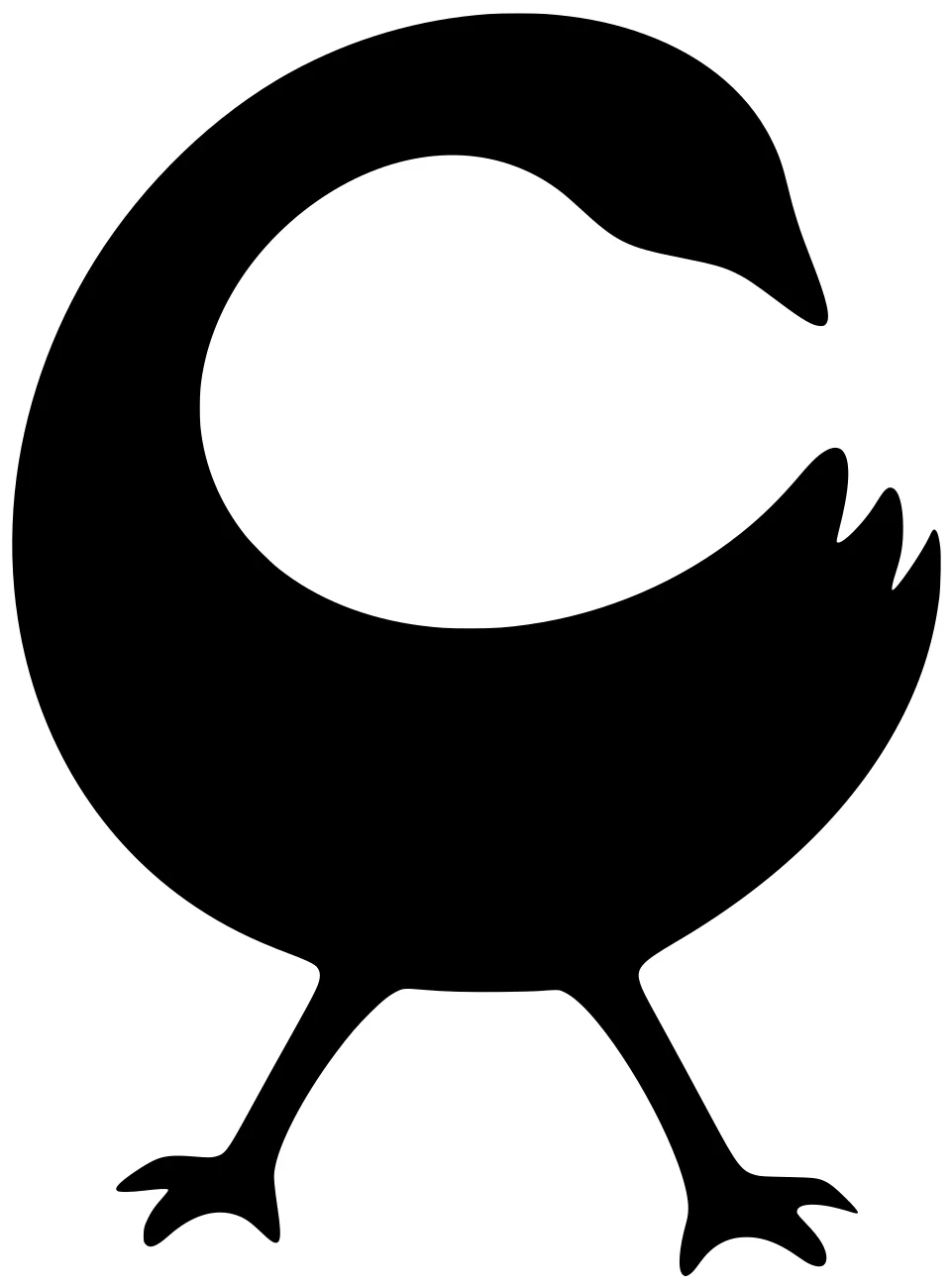
Sankofa, 'go back and fetch it', shows a bird looking backward and teaches that the past is a resource for the present.
- Literal meaning
- go back and fetch it
- The saying
- Se wo were fi na wosankofa a, yenkyi — It is no taboo to go back for what you forgot.
- Stands for
- learning from the past; correcting mistakes is honourable
- What it shows
- A bird walking forward with its head turned back, often holding an egg in its beak.
- Where it is used
- Outside Ghana it is a sign of reconnecting with roots, especially in the diaspora.
- Also written
- san ko fa
- How sources differ
- Spellings of the proverb vary between sources (wosankofa or wosan kofa; yenkyi or yenkyiri).
The sign is traced from a licensed reference and shown in this platform’s own style. Its shape is not changed.
Sankofa joins three Twi words: san (return), ko (go) and fa (take). The best-known form is a bird walking forward with its head turned back, often holding an egg in its beak. It stands for the proverb usually given as 'Se wo were fi na wosankofa a, yenkyi': it is no taboo to go back for what you forgot. The idea is that the past is a resource for the present, and that correcting a mistake is honourable. Rattray's 1927 list has two designs under this name, both translated 'turn back and fetch it'. Outside Ghana it has become the best-known adinkra symbol, especially among African Americans and the wider diaspora, as a sign of reconnecting with roots. Status: in Rattray's list of 1927, and in the modern catalogues consulted.
Spellings of the proverb vary between sources (wosankofa / wosan kofa; yenkyi / yenkyiri).
Key facts
- san = return, ko = go, fa = take
- Proverb: Se wo were fi na wosankofa a, yenkyi
- Rattray (1927) lists two Sankofa designs
- Status: in Rattray's list of 1927, and in the modern catalogues consulted.