Asanteman · the Asante kingdom
Three hundred years,
told in full.
The origins, the wars, the kings and queen mothers, the stools and their lands, the cloth, the signs and the shrines of Asante, gathered from 996 sources and shown with every one of them.
- 1,636
- sourced entries
- 996
- sources
- 437
- pictures
- 83
- signs drawn

Join Asanteman
Create your account with your phone number
Reading is open to everyone. An account lets you stand behind the kingdom’s causes, place adverts, show your support as a person or a company, and sell in the shop once you are verified.




























Happening now
In the kingdom this year
The most recent events in the record, newest first, as last researched in November 2026. This is not a live news feed. More on the kingdom today
Ten moments travel the whole timeline →
The chapters
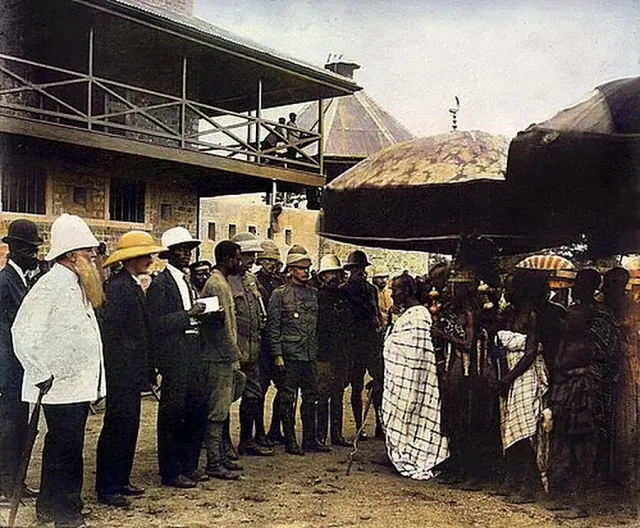
The story of Asanteman
From the forest states before the union, through the founding at Kumase, the empire, the wars with Britain, exile and…
533 entries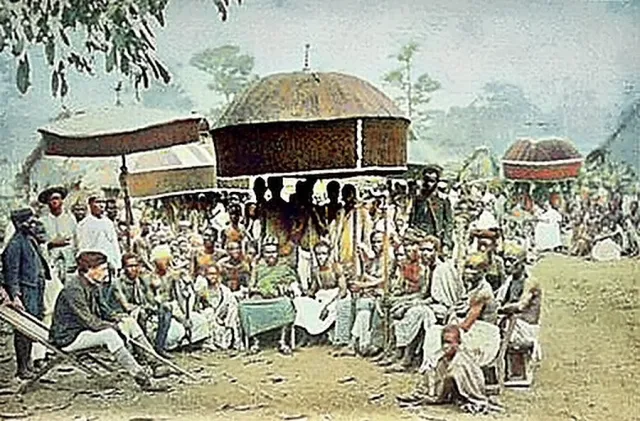
Asantehene and Asantehemaa
Every king and queen mother the sources name, with their dates as each source gives them, how they came to the stool…
55 entries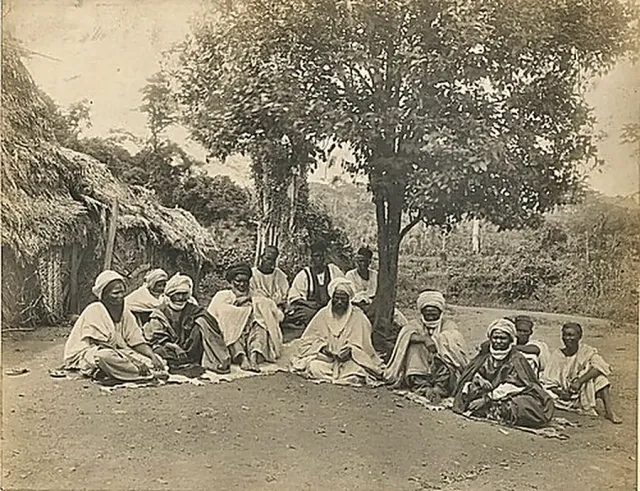
States, stools and chiefs
The states of the union, the divisions of Kumase, the clans, the offices of the court and the people who hold the…
187 entries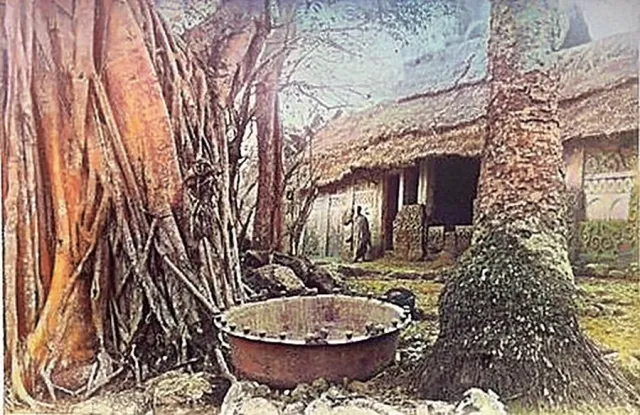
Land, towns and resources
The forest country and its rivers, Kumase and the towns, who holds land and how, and what the land gives: gold,…
175 entries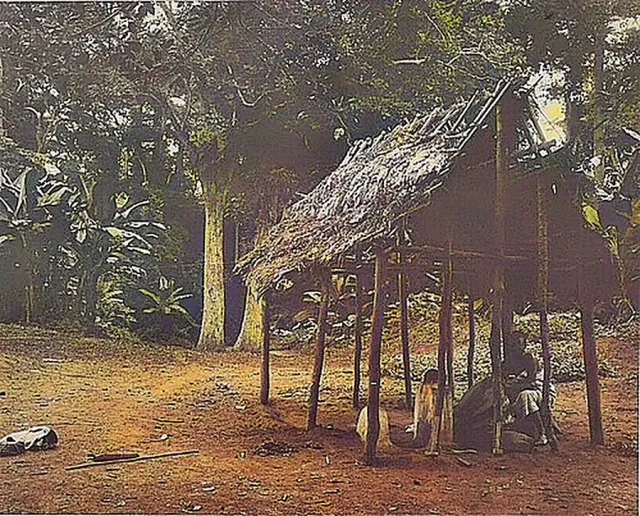
Culture and tradition
Kente and adinkra, gold and carving, drums and dance, the forty-two day calendar, and the customs that carry a person…
578 entries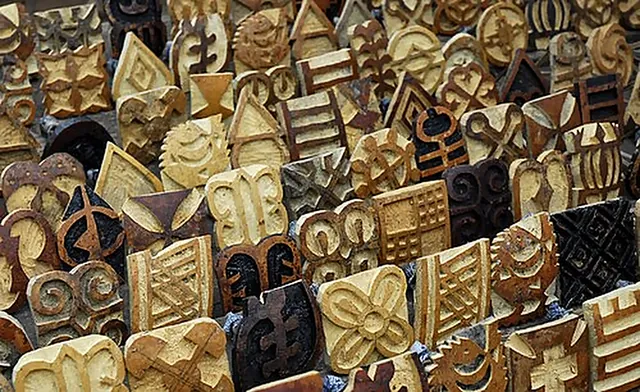
Symbols and their meanings
Adinkra signs, the emblems of kingship, stool designs, sword ornaments, linguist staffs, goldweights, kente patterns…
236 entries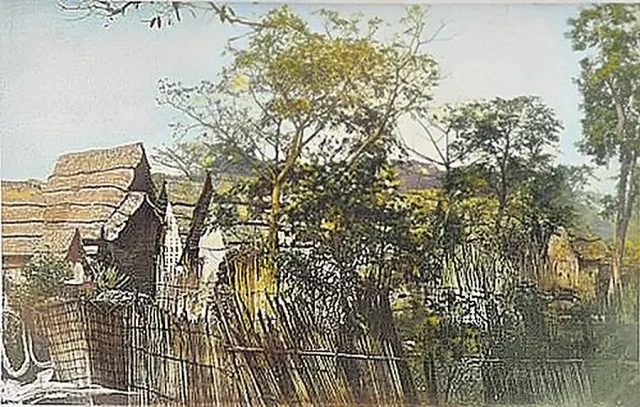
Belief, shrines and sacred places
Onyame and the earth, the abosom and their shrines, the ancestors and the black stools, the Golden Stool, and the…
75 entriesThe kingdom today
Asanteman inside modern Ghana: the present reign, its institutions, schools and hospitals, the city, peace-making,…
49 entries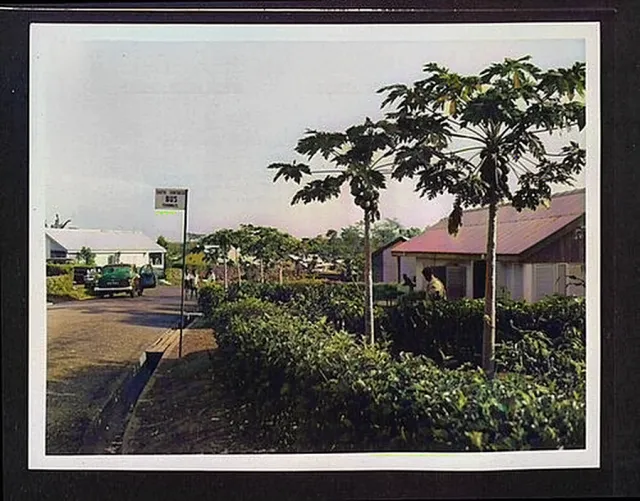
What comes next
The open problems and the announced plans, each with its source and date. Plans are reported as plans. Nothing here…
8 entriesThe series · in planning
Asante: the drawn history
A pencil-drawn animated history in 32 episodes, from the origin stories to the return of the regalia, every episode scripted from the sourced entries here.
In pictures


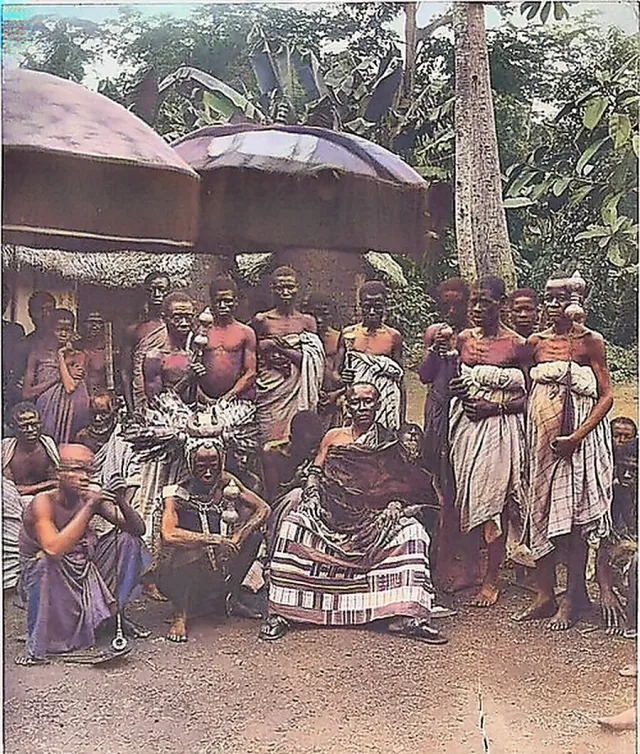
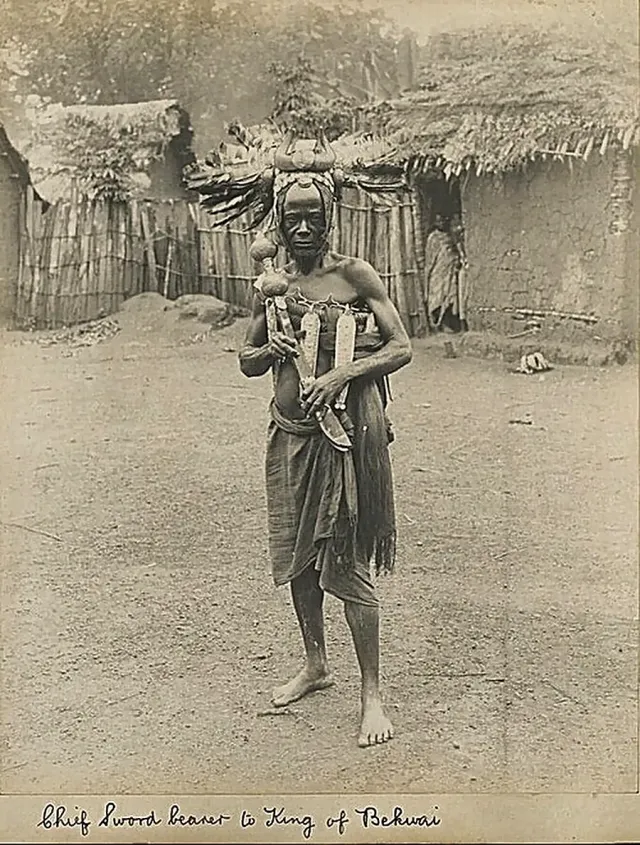
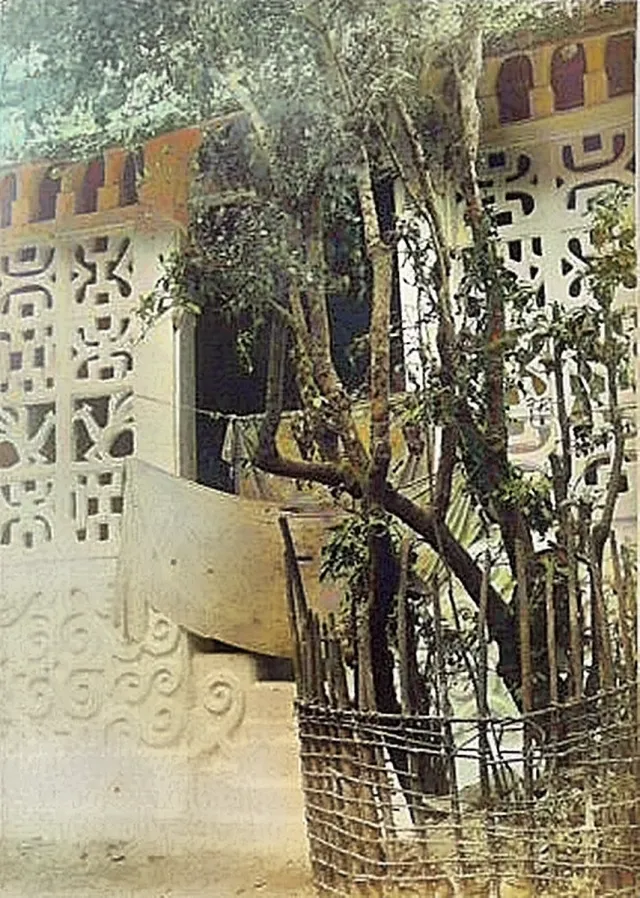
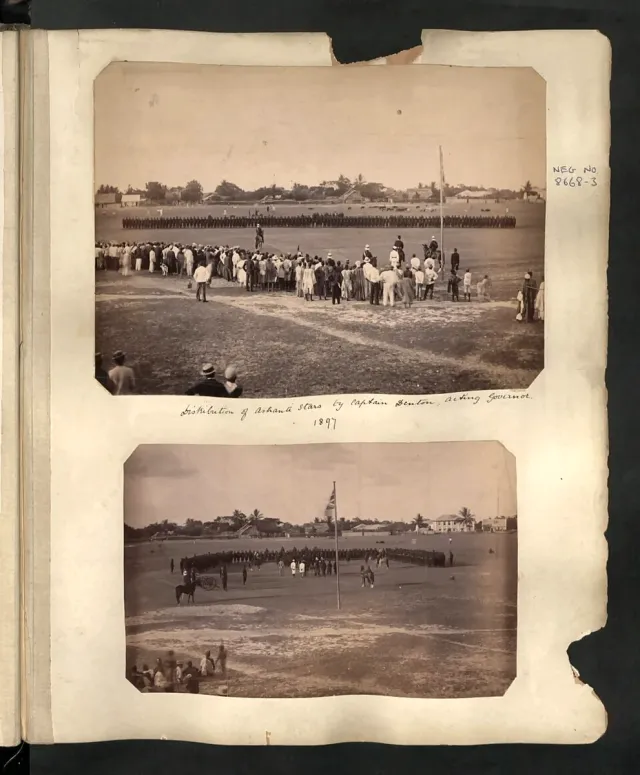
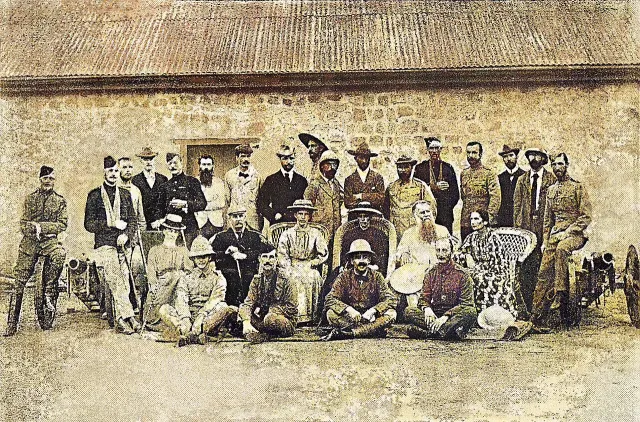
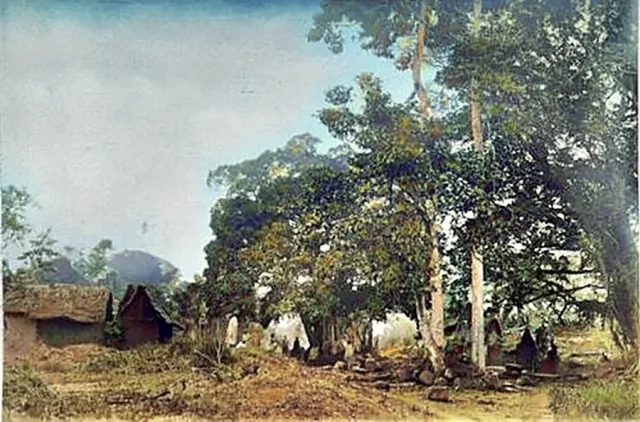
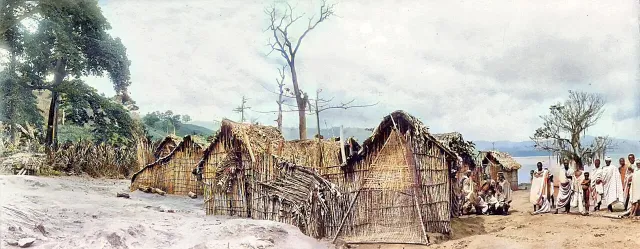
Where the sources disagree
Memory is not one voice. Where a date, a name or a founding story is told more than one way, both tellings are kept.
Adum: the ward of the men from Anum
Only Reindorf gives the Anum origin; no Kumase stool history for Adum was read to confirm or contradict it.
c. 1700 - presentBantama: the war chief's ward and the kings' burial place
The two popular explanations of the name disagree and are reported only from a search-result summary of news features.
c. 1690 - presentGyaman: the Abron kingdom of the Domaa who would not come back
Reindorf explains 'Gyaman' as an Asante taunt at deserters; the Abron side does not accept the etymology. Accounts of Adinkra's death differ: killed in battle, executed,…