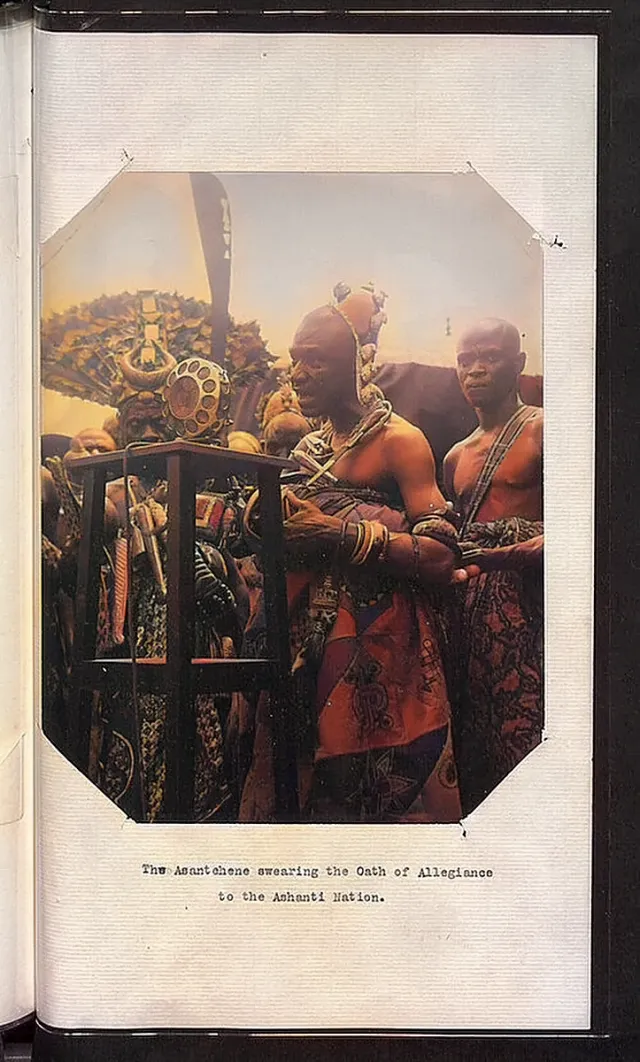
The line of the stool
Asantehene and Asantehemaa
Every king and queen mother the sources name, with their dates as each source gives them, how they came to the stool and how they left it.
55 sourced entries · every source listed
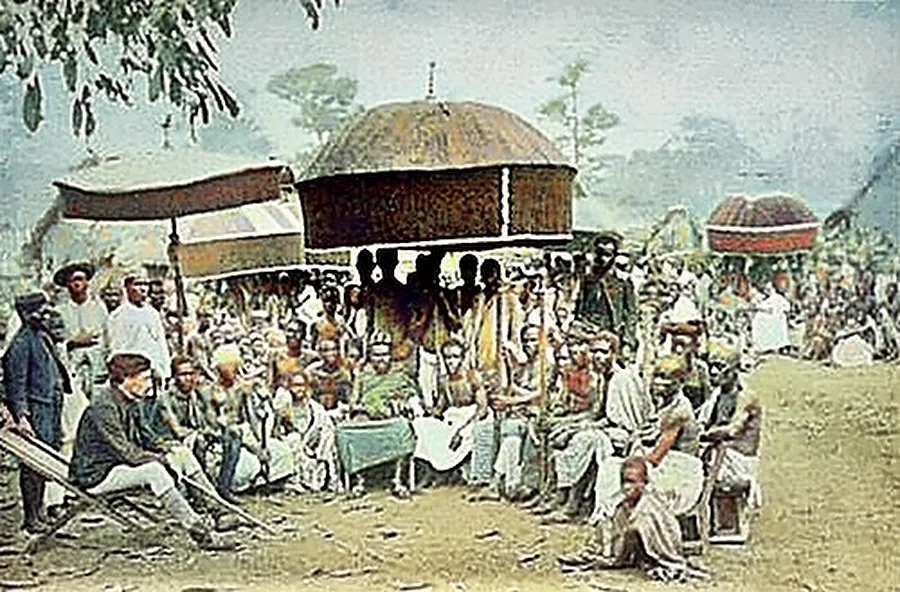
Kwaaman rulers before the union
Twum and Antwi, earliest remembered Oyoko rulers at Kwaaman (oral tradition)
Kwaamanhene (ruler of Kwaaman)Before there was an Asante kingdom, the Oyoko family that later supplied its kings headed a small state called Kwaaman, on the site of modern Kumasi. Asante tradition remembers a line of…
Note on the sources1600-1630 in one published list; uncertainKobia Amamfi (oral tradition)
KwaamanheneKobia Amamfi is the third name in the traditional sequence of Oyoko rulers who preceded Osei Tutu. As with Twum and Antwi, he is a figure of oral tradition. The Wikipedia list of rulers of…
Note on the sourcesc. 1630-1640 or c. 1630-1660, depending on the sourceOti Akenten (oral tradition)
KwaamanheneOti Akenten is the earliest Oyoko ruler about whom the traditions say much. He is remembered as an uncle of Obiri Yeboa and, through his sister Manu Kotosii, a great-uncle or uncle of Osei…
Note on the sourcesc. 1640-c. 1680 or 1660-1680; died c. 1677-1680Obiri Yeboa, last ruler before Osei Tutu (oral tradition)
Kwaamanhene / KumaseheneObiri Yeboa (also Obiri Yeboah) is the uncle whom Osei Tutu succeeded. Tradition presents him as a brother of Manu Kotosii and successor of Oti Akenten, and as the ruler who first drew…
Note on the sourcesAsantehene
Osei Tutu I, founder and first Asantehene
Osei Kofi Tutu OpemsooOsei Kofi Tutu, with the epithet Opemsoo, was born about 1660 at Kokofu Anyinam to Manu Kotosii, sister of the Kwaaman rulers Oti Akenten and Obiri Yeboa, and Owusu Panyin, a noble from…
Note on the sourcesc. 1720-1750Opoku Ware I, second Asantehene
Opoku Ware KatakyieOpoku Ware I, born about 1700, was a grandnephew of Osei Tutu and his nominee. His mother was the first Asantehemaa, Nyarko Kusi Amoa, a niece of the founder. He came to the stool after a…
Note on the sources1750-1764Kusi Obodom, third Asantehene
Kusi Obodom (also Obodum, Oboadum, Bodom) was a son of the second Asantehemaa, Nketia Ntim Abamo, and a grandnephew of Osei Tutu. Opoku Ware had asked that a prince named Darko succeed him,…
Note on the sources1764-1777Osei Kwadwo, fourth Asantehene
Osei Kwadwo OkoawiaOsei Kwadwo was born about 1735 to the Asantehemaa Akua Afriyie and Owusu Afriyie, a son of Osei Tutu. He took the stool in 1764 after the removal of Kusi Obodom; a Dutch official at Elmina…
Note on the sources1777-1803 (removed between 1798 and 1803)Osei Kwame Panyin, fifth Asantehene
Osei Kwame was born between 1762 and 1765, the son of the displaced queen mother Akyaama and Safo Kantanka, Mamponghene. He was a boy when Osei Kwadwo died in 1777. The Mamponghene Atakora…
Note on the sourcesDecember 1803-March 1804 (official tradition: 1798-1799)Opoku Fofie, sixth Asantehene
Opoku Fofie was born about 1775 to Konadu Yaadom and Adu Twum Kaakyire, a son of Opoku Ware I, which placed him in the patrilineal line (ntoro) of Bosommuru associated with that king. His…
Note on the sources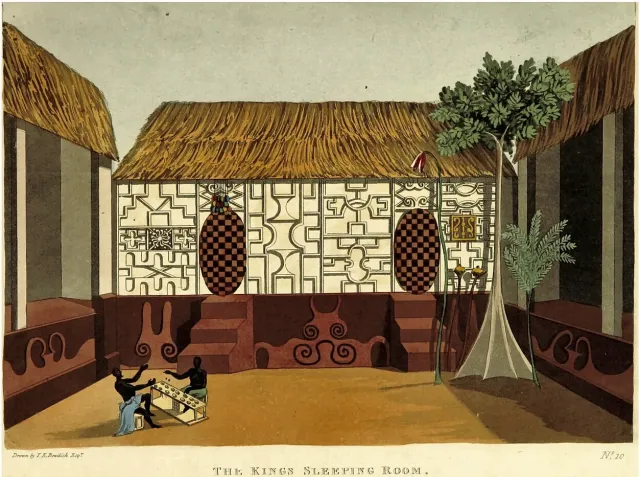 1804-21 January 1824 (traditional: 1800-1823)
Osei Tutu Kwame (Osei Bonsu), seventh Asantehene
Osei Tutu Kwame Asibe Bonsu; Bonsu (whale)Osei Tutu Kwame, born about 1779 in Kumasi, was a son of Konadu Yaadom by Owusu Ansa of Asokore Mampong and a younger brother of Opoku Fofie. He followed his brother on the stool;…
Note on the sources1824-21 February 1834Osei Yaw Akoto, eighth Asantehene
Osei Yaw Akoto, born about 1800 in Kumasi, was the last child of Konadu Yaadom, by Owusu Yaw of Anowo; she died bearing a child after him. He was the designated heir when Osei Bonsu died in…
Note on the sources25 August 1834-27 April 1867Kwaku Dua I (Kwaku Dua Panin), ninth Asantehene
Kwaku Dua Panin; birth name Fredua AgyemanKwaku Dua, born about 1797 and first named Fredua Agyeman, was the son of Amma Sewaa and Boakye Yam Kumaa. Through his mother he belonged to the kin of the erased queen mother Akyaama, not…
Note on the sources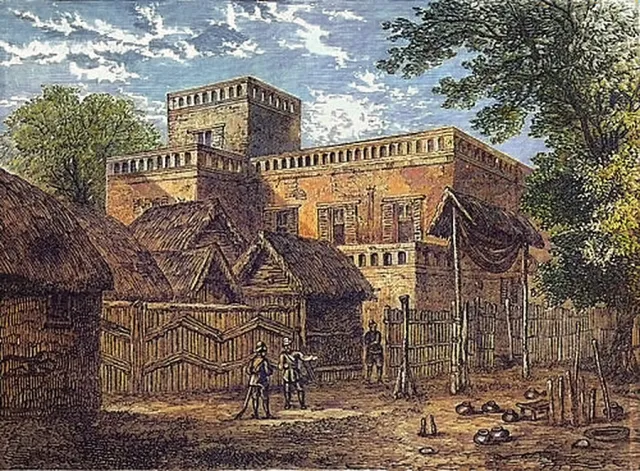 28 May 1867-26 October 1874
Kofi Karikari (Kofi Kakari), tenth Asantehene
Kofi Karikari, born about 1837 in Kumasi, was a son of the Asantehemaa Afua Kobi and a great-nephew of Kwaku Dua I. The old king's chosen heir, his grandson Agyeman Kofi, was judged too…
Note on the sources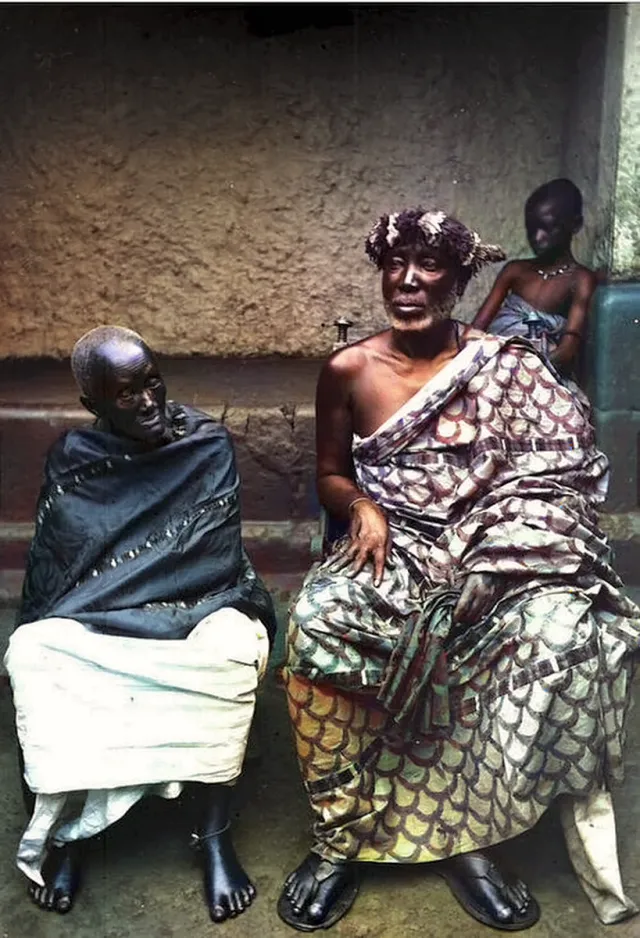 1874-8 March 1883
Mensa Bonsu, eleventh Asantehene
Mensa Bonsu KumaaMensa Bonsu, born about 1840, was a younger son of Afua Kobi and succeeded his deposed brother Kofi Karikari late in 1874 with the support of the Kumasi chiefs who wanted peace with…
Note on the sources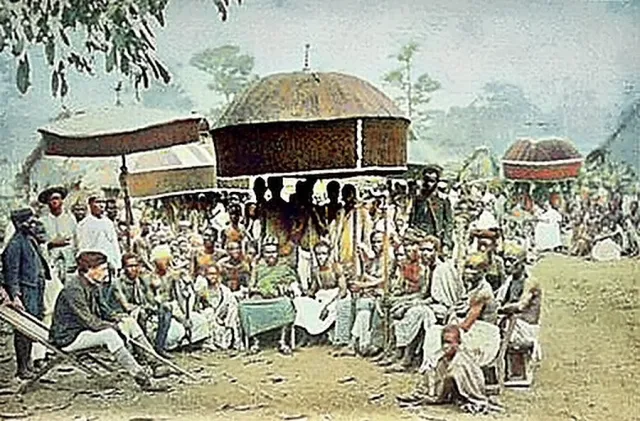 28 April-11 June 1884
Kwaku Dua II (Kwaku Dua Kumaa), twelfth Asantehene
Kwaku Dua Kumaa; birth name Agyeman KofiKwaku Dua II, born Agyeman Kofi, was a son of Yaa Akyaa and a grandson of Kwaku Dua I, who had wanted him as heir in 1867 when he was still a child. After the overthrow of Mensa Bonsu in…
Note on the sources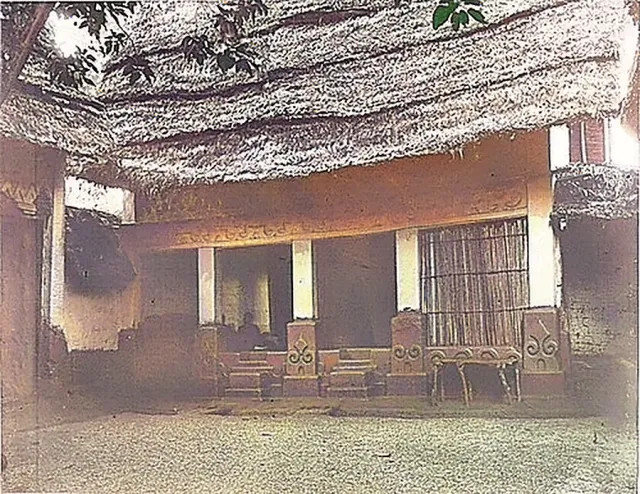 Asantehene 26 March 1888-1896; Kumasihene 12 November 1926-12 May 1931
Agyeman Prempeh I (Kwaku Dua III), thirteenth Asantehene
Kwaku Dua III Asamu; Agyeman PrempeAgyeman Prempeh was born in Kumasi on 18 December 1870 (rulers.org says 1872 or 1873) to Yaa Akyaa and Kwasi Gyambibi. After his brother Kwaku Dua II died, his mother advanced him against a…
Note on the sources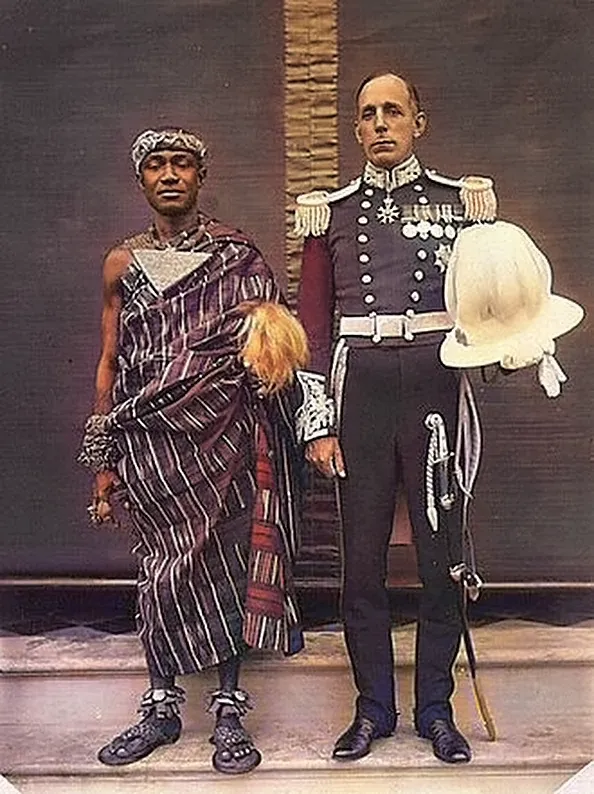 Kumasihene 22 June 1931; Asantehene 31 January 1935-27 May 1970
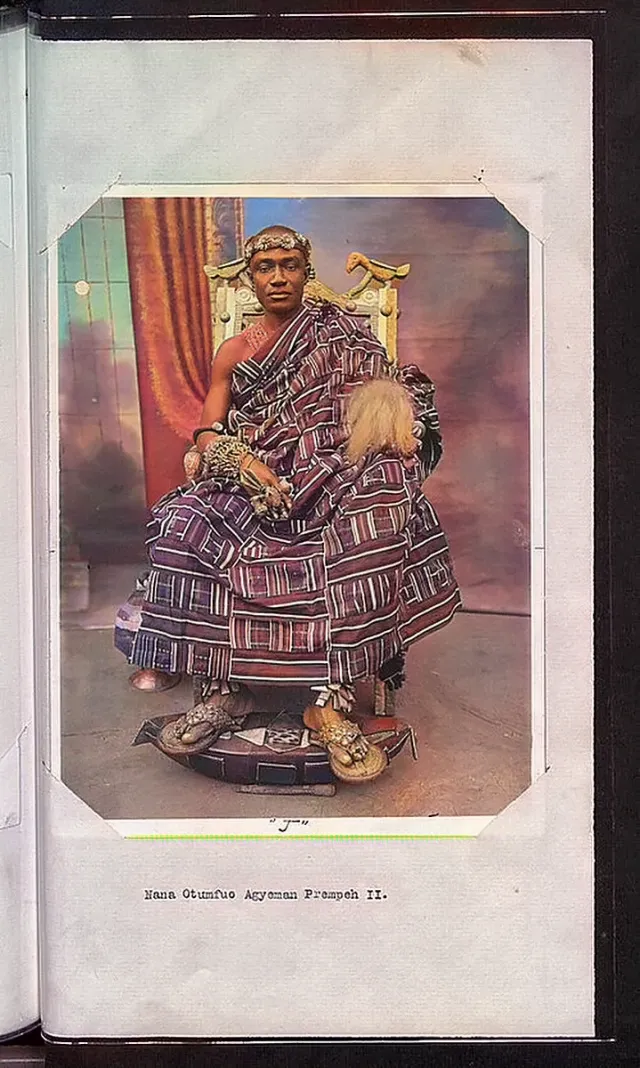
Osei Agyeman Prempeh II, fourteenth Asantehene
Otumfuo Sir Osei Tutu Agyeman Prempeh IIPrempeh II was born in Kumasi about 1892, a nephew of Prempeh I and a grandson of the queen mother Yaa Akyaa; the Manhyia Palace names his mother as Nana Akua Bakoma. He was about four when…
Note on the sources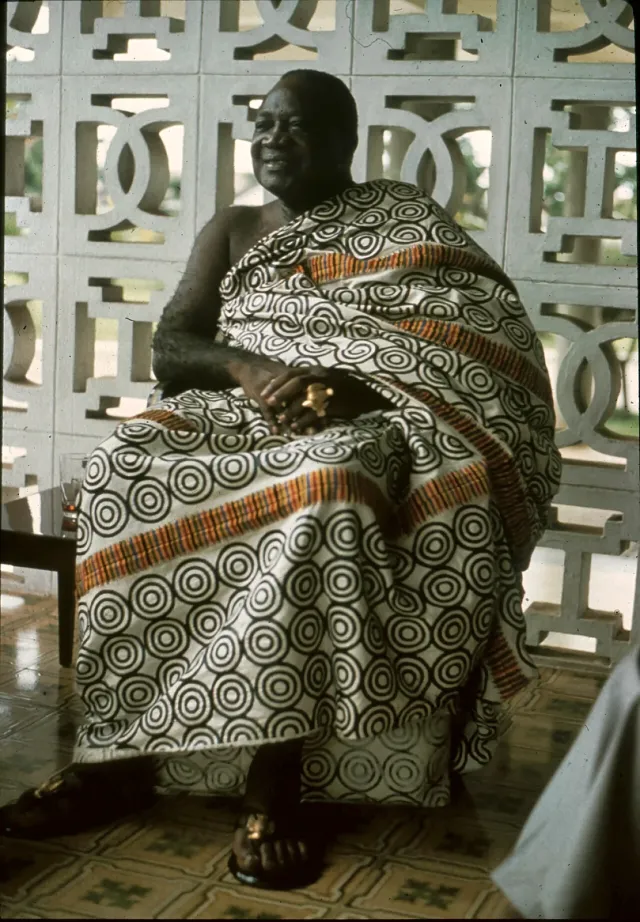 July 1970-25/26 February 1999
Opoku Ware II, fifteenth Asantehene
Otumfuo Opoku Ware II; birth name Jacob Matthew PokuOpoku Ware II was born Jacob Matthew Poku in Kumasi on 30 November 1919, a royal of the Oyoko family and a nephew of Prempeh II; his line descended from the short-lived king Opoku Fofie. He…
Note on the sources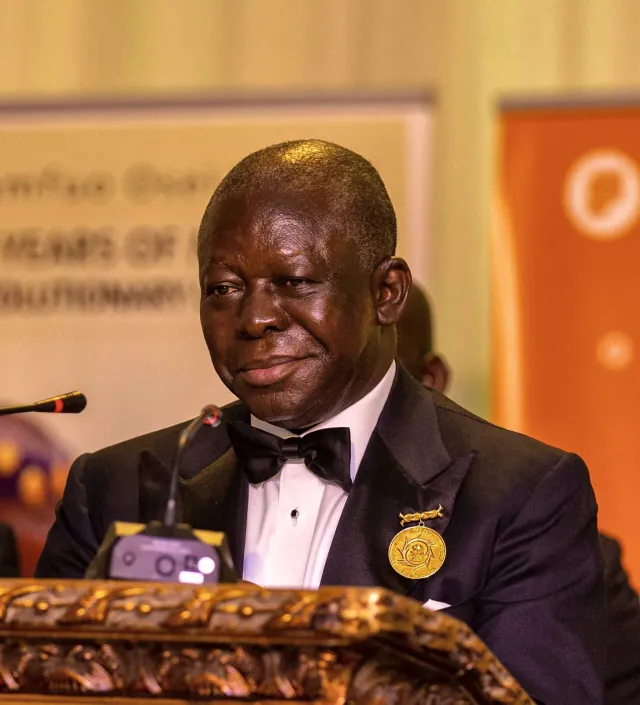 26 April 1999-present
Otumfuo Osei Tutu II, sixteenth and reigning Asantehene
Otumfuo Osei Tutu II; birth name Barima Kwaku DuaThe reigning king was born Barima Kwaku Dua on 6 May 1950 in Kumasi, the youngest of five children of Nana Afia Kobi Serwaa Ampem II, later Asantehemaa. He was brought up by his uncle…
Note on the sourcesAsantehemaa
Nyarko Kusi Amoa, first Asantehemaa
Nyaako Kusi Amoa; Kusi Amoa Dwa (the queen mother's stool)Nyarko (Nyaako) Kusi Amoa is counted as the first queen mother of the Asante kingdom, and the stool occupied by every Asantehemaa since is named after her: the Manhyia Palace describes the…
Note on the sources1701-2026How the queen mothers are counted, and the 'three queen mothers' record
Manhyia and the Ghanaian press count fifteen queen mothers to 2026: Nyarko Kusi Amoa, Nketia Ntim Abamo, Akua Afriyie, Konadu Yaadom, Adoma Akosua, Ama Sewaa, Yaa Dufie, Afua Sapon, Afua…
Note on the sourcesafter c. 1722 to the 1740s (uncertain)Nketia Ntim Abamo, second Asantehemaa
Nketia Ntim Abamo (also Nkatia or Nkaatia Ntim Abamo) is listed as the second queen mother. She is described as a daughter of Kyirama, a sister of Osei Tutu, and as the mother of the third…
Note on the sourcesprobably 1740s to 1750sAkua Afriyie, third Asantehemaa
Akua Afriyie is listed third among the queen mothers. She was a daughter of Nketia Ntim Abamo and so a sister of Kusi Obodom. As a young woman she was among the royal captives taken in the…
Note on the sources1750s-1770Akyaama, the queen mother erased from the record
Akyaama held the queen mother's office from the 1750s until 1770 but does not appear in the official list. Dutch reports of 1758 name her as Asantehemaa. She was the mother, by the…
Note on the sources1770 or c. 1778 to 1809Konadu Yaadom, fourth Asantehemaa in the official count
Konadu Yaadom (also Kwadu Yaadom, Yiadom)Konadu Yaadom, born about 1750, was the daughter of Yaa Aberefi of the royal Oyoko line and the Mamponghene Asumgyima Penemo of the Bretuo clan. She was made queen mother by Osei Kwadwo in…
Note on the sources1809-1819Adoma Akosua, fifth Asantehemaa
Adoma Akosua, born about 1773 in Kumasi, came from a branch of the royal family that had been shut out of the succession until 1807. When Konadu Yaadom died in 1809 she was the senior woman…
Note on the sources1819 to 1820 or 1828Ama Sewaa (Ama Serwaa), sixth Asantehemaa
Amma SewaaAma Sewaa (Amma Sewaa, Ama Serwaa) followed Adoma Akosua after the latter's removal in 1819. She is best known as the mother, by Boakye Yam Kumaa, of Kwaku Dua I. She belonged to the kin of…
Note on the sources1820 or 1828 to 1836Yaa Dufie, seventh Asantehemaa
Yaa Dufie (Yaa Dufi) was a daughter of Konadu Yaadom and Adu Twum and so a full sister of the king Opoku Fofie and half-sister of Osei Bonsu and Osei Yaw Akoto. She held office in the later…
Note on the sources1836 to 1857-59Afua Sapon, eighth Asantehemaa
Afua Sapon (also Sarpon)Afua Sapon became queen mother in 1836, two years into the reign of Kwaku Dua I, and held office for more than twenty years. She was the mother of the next queen mother, Afua Kobi, and so…
Note on the sources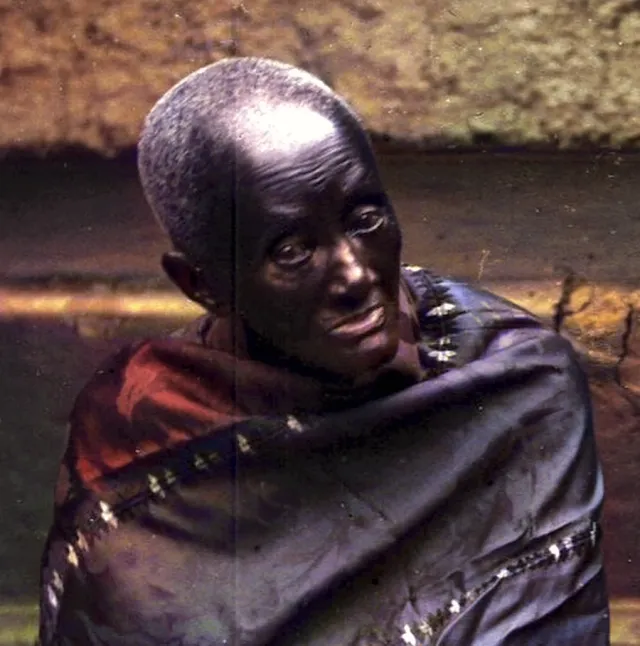 c. 1859-1883/84
Afua Kobi, ninth Asantehemaa
Afua Kobi (also Afua Koba)Afua Kobi, born about 1815, was the daughter of the queen mother Afua Sapon and replaced her after the purge of about 1859; the official genealogy backdates her tenure to 1834. Her…
Note on the sources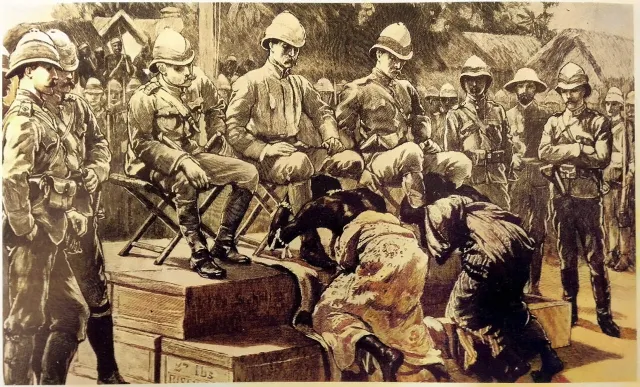 1883/84-1896 in office; died in exile 1917
Yaa Akyaa, tenth Asantehemaa
Yaa Akyaa (Yaa Kyaa)Yaa Akyaa, daughter of Afua Kobi, was born about 1847 (other sources say about 1837 or 1840) and married Kwasi Gyambibi, the Akyebiakyerehene; they had thirteen children. She took the…
Note on the sources1896-1917The queen mother's stool during the exile, 1896-1917
When Yaa Akyaa was deported with her son in 1896, the Asantehemaa's stool was left without a resident occupant for twenty-one years. The lists handle this in two ways. The English and…
Note on the sources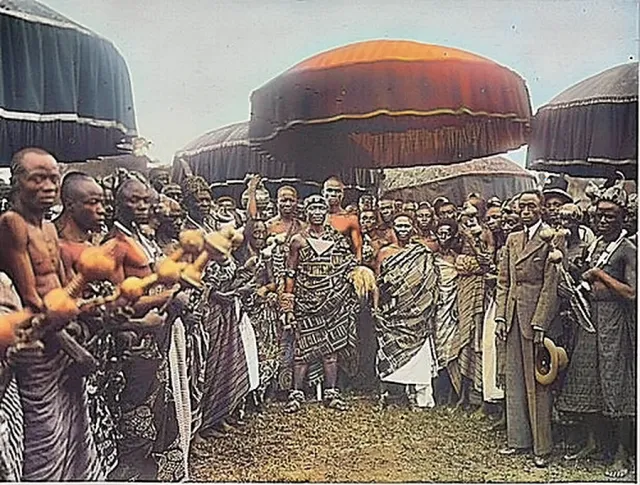 1917-1944/45
Konadu Yaadom II (Konadu Yiadom II), eleventh Asantehemaa
Konadu Yaadom II took the queen mother's stool in 1917, on the death of Yaa Akyaa in the Seychelles and while Prempeh I was still in exile; she held it for about twenty-eight years, through…
Note on the sources1945-1977Ama Serwaa Nyarko II, twelfth Asantehemaa
Ama Serwaa Nyarko II (also written Serwa Nyarko, Nyaako) was enstooled in 1945 under Prempeh II and remained queen mother for thirty-two years, spanning the last years of colonial rule,…
Note on the sources1977-15 November 2016Afia Kobi Serwaa Ampem II, thirteenth Asantehemaa
Nana Afia (Afua) Kobi Serwaa Ampem II was born in 1905 according to the Graphic feature on her life, or 1907 according to Wikipedia, while the king and queen mother were in exile. Her…
Note on the sources6 February 2017-7 August 2025Nana Konadu Yiadom III, fourteenth Asantehemaa
Nana Ama Konadu, known in the family as Nana Panin, was born in 1927, the first of the five children of Afia Kobi Serwaa Ampem II; her father was Opanin Kofi Fofie, a carpenter from Besease…
Note on the sources6 July 2026-presentNana Yaa Akyaa II, fifteenth and current Asantehemaa (enstooled 6 July 2026)
Odehyie Ama Bonsu; stool name Nana Yaa Akyaa IIThe office-holder as of November 2026 is Nana Yaa Akyaa II. The Manhyia Palace website's royal biography names her as the 15th Asantehemaa and occupant of the Kusi Amoa Stool. She was born…
Note on the sourcesRegents and interregna
The first interregnum: Amaniampon of Mampong, c. 1717-1720
MampongheneAfter Osei Tutu was killed on the Akyem campaign, the kingdom went through its first vacancy. rulers.org lists 'Maniampon' as regent from 1717 to 1720, and the Wikipedia ruler list names…
Note on the sources1717-presentWhy the Mamponghene acts when the Golden Stool is vacant
Mamponghene; Dwete Dwa (Silver Stool)The chief of Asante Mampong occupies the Silver Stool and is treated as next in rank to the Asantehene; a 2026 report on the newest Mamponghene describes the stool as second-in-command of…
Note on the sources1764; 1777; 26 October 1874Short regencies of 1764, 1777 and 1874
Three brief regencies by chiefs of Mampong are recorded between reigns. In 1764, after Kusi Obodom was removed, Safo Kantanka held authority until Osei Kwadwo was installed; he was also the…
8 March 1883-28 April 1884The council interregnum of 1883-84
Kwasafomanhyiamu (council of the Kumasi town wards)When Mensa Bonsu was driven from Kumasi in March 1883, no regent of Mampong took charge. rulers.org shows the period from 8 March 1883 to 28 April 1884 under a body it calls the…
Note on the sources11 June 1884-26 March 1888Civil war and caretaker governments, 1884-88: Owusu Koko, Akyampon Panin, Owusu Sekyere II
Kumasehyiamu (Kumasi council)Kwaku Dua II died on 11 June 1884 and Kofi Karikari shortly after, leaving no adult candidate. rulers.org records three successive caretakers. Owusu Koko, a son of Osei Bonsu who had been a…
Note on the sources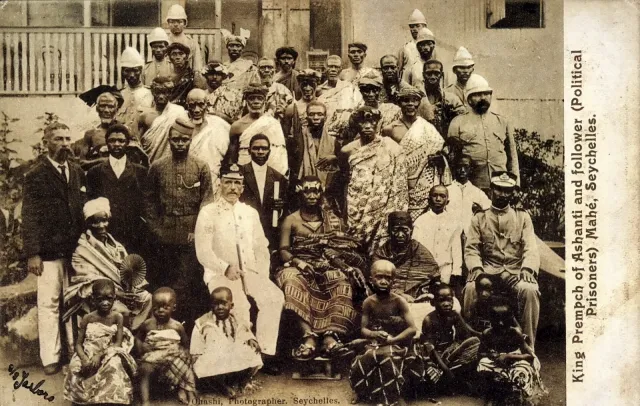 20 January 1896-12 November 1926
Asante without a recognised king, 1896-1926
From the arrest of Prempeh I in January 1896 to his recognition as Kumasihene in November 1926, the British refused to acknowledge any Asantehene. rulers.org lists Opoku Mensa as chairman…
Note on the sources12 November 1926-31 January 1935The Kumasihene years and the 1931 regency
Kumasihene (chief of Kumasi)Between 1926 and 1935 the occupant of the Golden Stool was recognised by the colonial government only as Kumasihene, head of one division among several, and not as Asantehene. Prempeh I…
Note on the sources25/26 February-26 April 1999The regency of 1999: Mamponghene Osei Bonsu II
When Opoku Ware II died in late February 1999, the Mamponghene, Daasebre Osei Bonsu II, acted as regent until the installation of Osei Tutu II on 26 April; rulers.org gives his regency as…
Note on the sourcesSuccession and kingmaking
How an Asantehene is chosen
Asantehemaa (queen mother); Gyaase (palace household division); Kumasi Abrempon (Kumasi chiefs)The Golden Stool passes in the female line of the royal Oyoko family, but there is no fixed heir: any man born to a royal woman of the right lineage is a possible candidate, and the choice…
Note on the sources1701-presentStool names and how the kings are numbered
Akonnwa din (stool name)A new king or queen mother takes a stool name at installation, usually that of an ancestor in the same office, and an ordinal follows. Barima Kwaku Dua became Osei Tutu II in 1999; J.…
Note on the sources1732 (by tradition)-presentEnstoolment rites in outline
Pampaso; Bampanase; Pramakeseso; Busumuru (Bosomuru) afena, the Busumuru sword; Ntam Kese (Great Oath); Sika Dwa Kofi (Golden Stool)Once accepted, the king-elect goes first to the Asantehemaa for her blessing; she does not attend what follows. He is then taken to Pampaso, a ward of Kumasi with a stool house that…
Note on the sourceseighteenth century-presentThe royal lineage and its houses
Oyoko (the royal clan); ntoro (a group inherited from the father)Every Asantehene has belonged, through his mother, to the royal Oyoko clan of Kumasi; reference lists call the line Oyoko Abohyen, and McCaskie's study of its family history calls it the…
Note on the sourceseighteenth century-presentRoyal burial places: Bantama and Breman
Baamu (the mausoleum); Dote Yie (final funeral rites); nkonnwa tuntum (blackened stools)Two places in Kumasi are bound up with royal death. Bantama held the mausoleum of the kings; a photograph of it from the 1870s survives in the UK National Archives. To be denied Bantama was…
Note on the sources1764-1883Destoolment: how a king can be removed
An Asantehene is not absolute. He holds office on oaths sworn at his installation, and those who made him can unmake him. Summaries of the work of Obeng and others describe the customary…
Note on the sources25 February-26 April 1999The succession of 1999 step by step
The most recent succession shows the procedure in practice. Opoku Ware II died on 25 or 26 February 1999 and the Mamponghene became regent. A month of mourning and a four-day funeral ended…
Note on the sourcespresentHow an Asantehemaa is chosen and installed
Asantehemaa; Kusi Amoa Dwa (the queen mother's stool)The two great offices choose each other: the queen mother nominates the king, and when her own stool is empty the king appoints her successor from the senior women of the royal lineage. A…
presentRoyal titles and styles
Otumfuo; Asantehene; Asantehemaa; Nana; Barima; Oheneba; Odehyie; Opemsoo; KumasiheneAsantehene joins Asante with ohene, the ordinary Akan word for a ruler, and means king of the Asante; before the union the same family's head was Kwaamanhene and then Kumasehene, and…
Note on the sources