recorded 1927; in use today
Sepow: the executioner's knife
Sepow
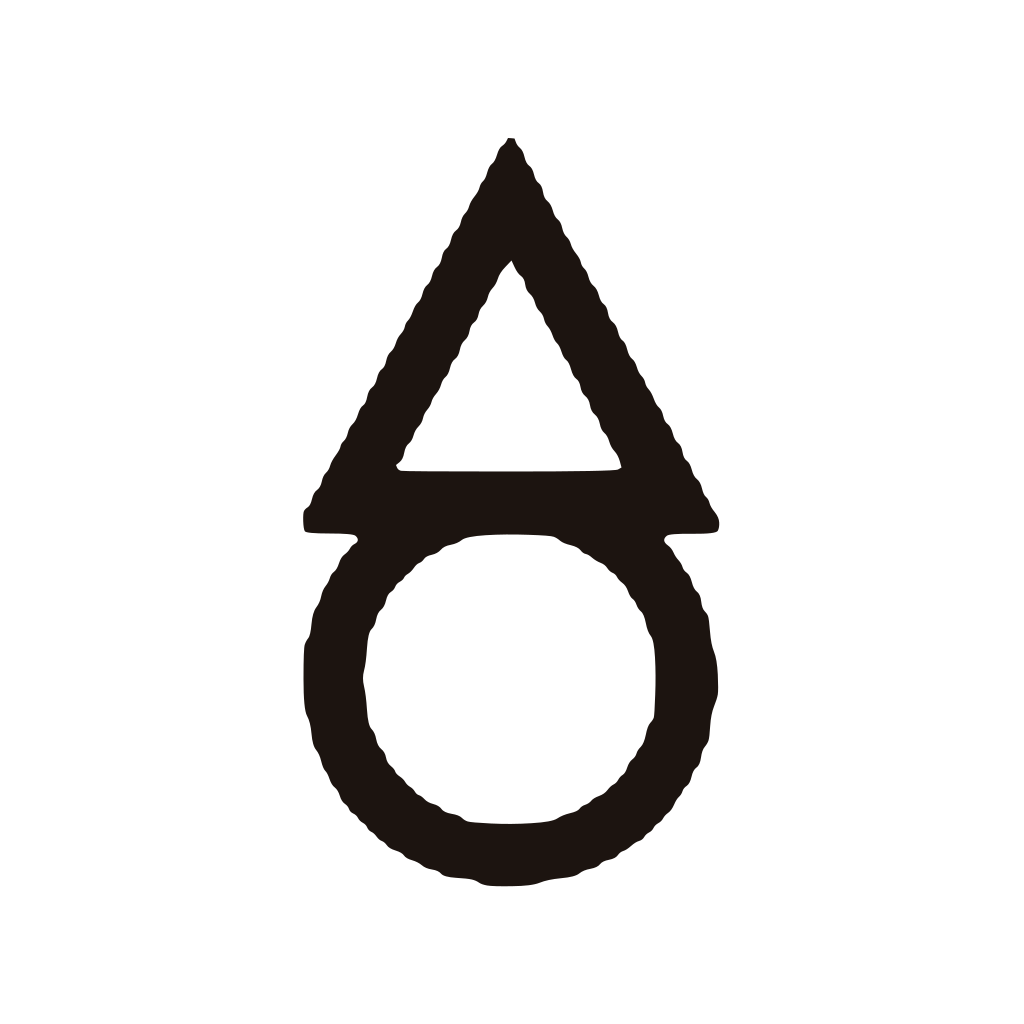

Adinkra sign
Sepow, the executioner's knife, is read by modern catalogues as justice.
- Literal meaning
- the executioner's knife
- Stands for
- justice
- What it shows
- A knife thrust through the cheeks of a man about to be executed, to prevent him cursing the king (Rattray).
- Where it is used
- Small sepow knives are still attached near the hilts of the state swords Bosomuru and Mponponsuo.
- How sources differ
- Rattray describes the knife that stopped a curse on the king; modern catalogues gloss it as justice.
The sign is traced from a licensed reference and shown in this platform’s own style. Its shape is not changed.
Rattray describes it as the knife thrust through the cheeks of a man about to be executed, to prevent him from invoking a curse on the king. Modern catalogues gloss it as justice. Small sepow knives are still attached near the hilts of the state swords Bosomuru and Mponponsuo. Status: in Rattray's list of 1927, and in the modern catalogues consulted.
Key facts
- Rattray (1927): a knife through the cheeks to stop a curse
- Meaning today: justice
- Status: in Rattray's list of 1927, and in the modern catalogues consulted.