1807 - 1831
Cape Coast, Anomabo and Komenda: towns under the forts that paid for their words
Oguaa; Anomabo; Komenda
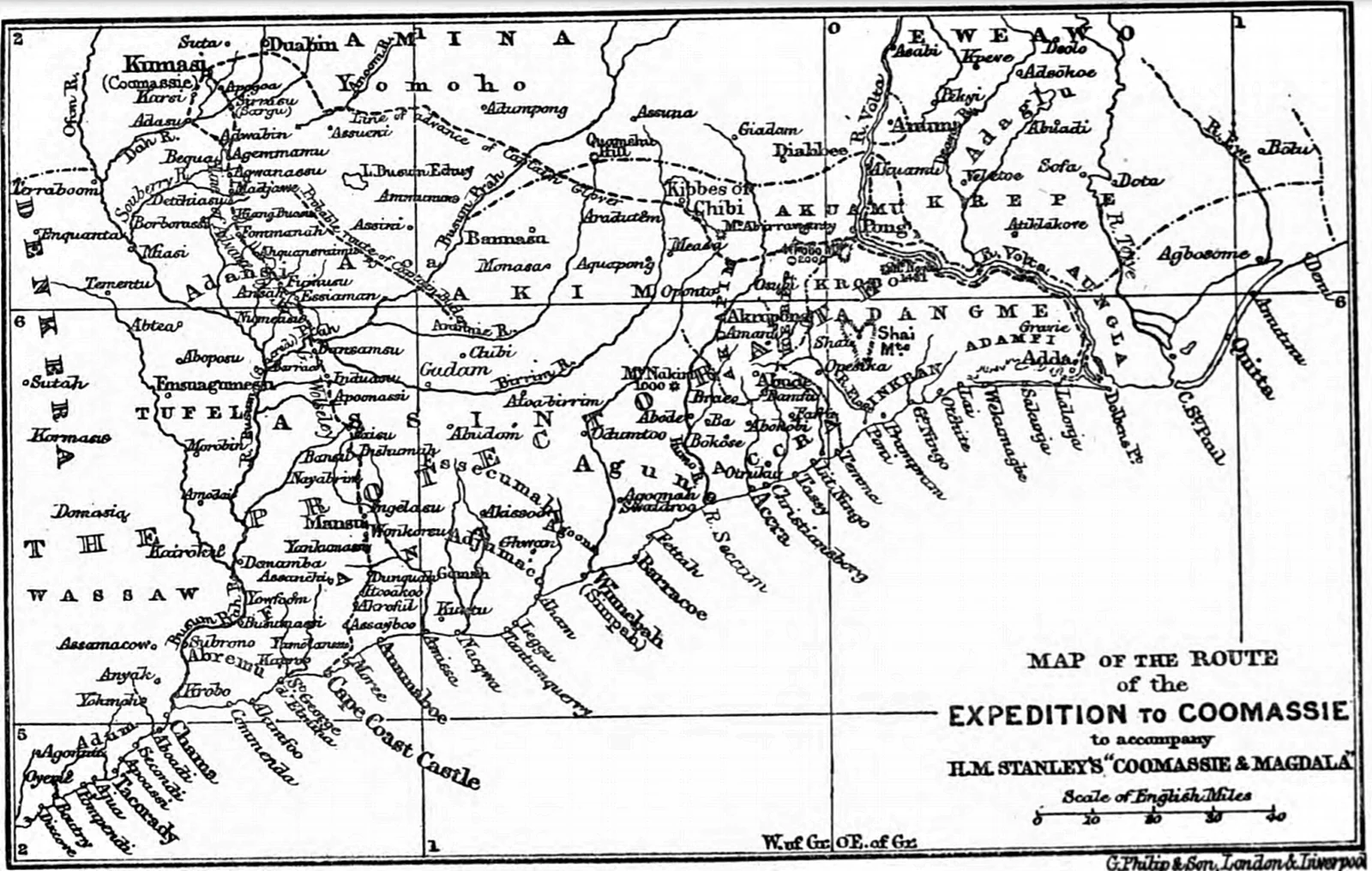
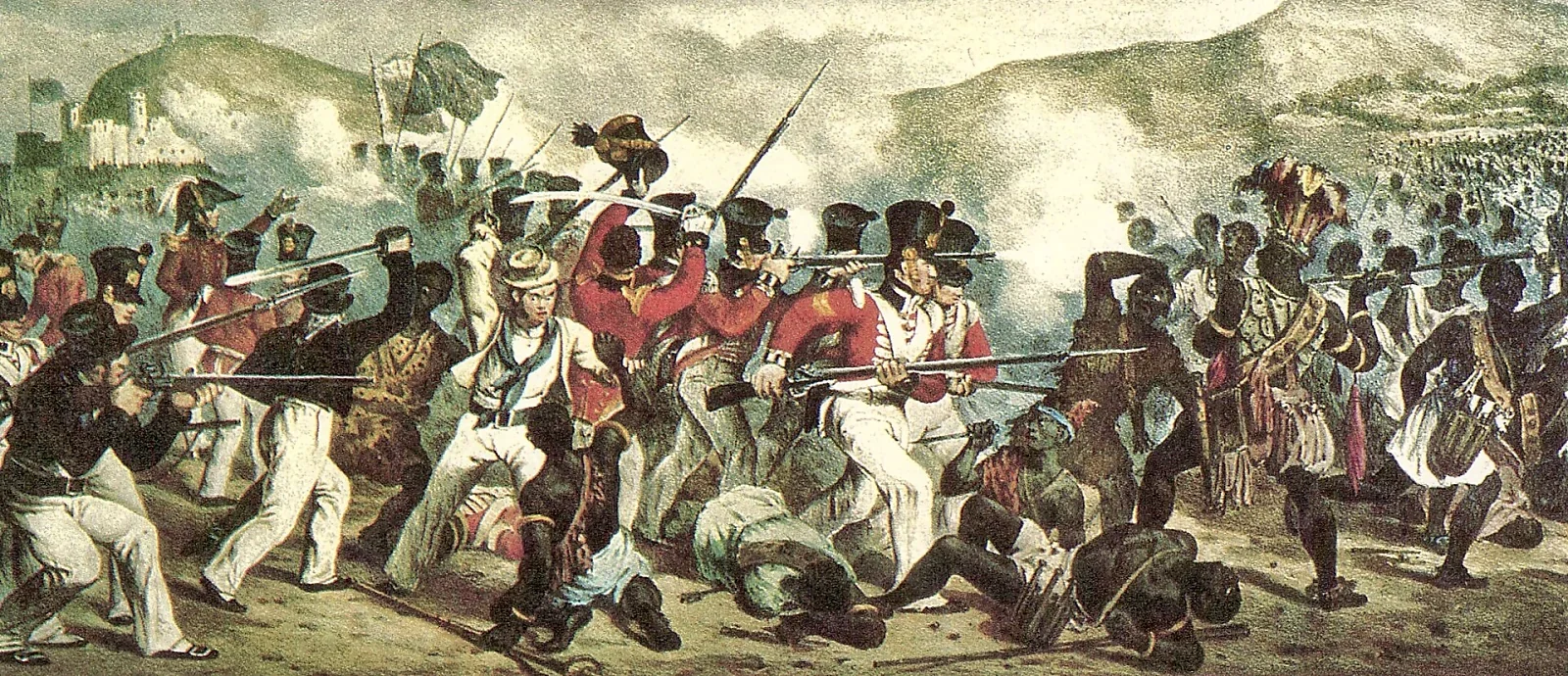
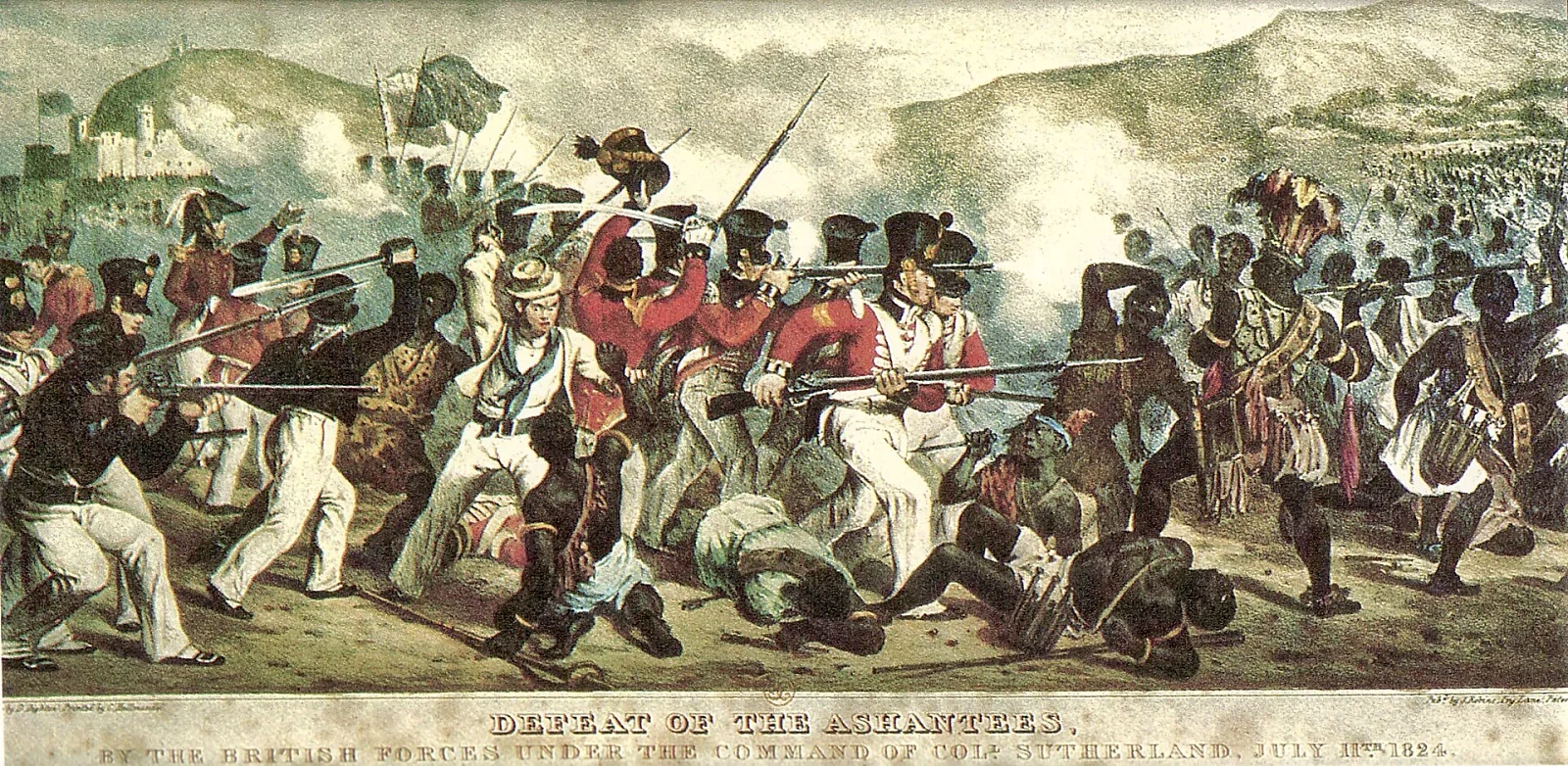
The three British fort towns of the central coast were never garrisoned by Asante, but between 1807 and 1823 each learned that it stood inside the king's reach. Anomabo was attacked on 15 June 1807, when the small garrison beat off the assault; Colonel Torrane then bought peace by handing over an Assin chief and, Reindorf says, about half the captives. It was a sergeant of Anomabo who in May 1822 insulted the Asantehene, was seized, and was executed at Dunkwa in February 1823, the incident that opened the war with MacCarthy. Komenda offended in 1819, when its people mistreated Asante messengers; the governor's refusal to act was, in Fuller's account, taken by Osei Bonsu as a breach of the 1817 treaty, and his envoy demanded 1,600 ounces of gold from Cape Coast and as much from the governor. The 1820 treaty negotiated by Dupuis left the Cape Coast townspeople outside its protection. In 1824, after Nsamankow, the Asante army came within five miles of Cape Coast, where refugees from the whole country were starving; Reindorf describes an assault on 11 July and the withdrawal after a shot struck the king's palanquin two days later. Peace was signed in the great hall of Cape Coast Castle on 27 April 1831, with the kings of Cape Coast and Anomabo among the parties. Cape Coast Metropolitan had 189,925 people in 2021.
The summary of Reindorf read here dated the assault on Cape Coast to July 1825; Fuller and the sequence of events place it in 1824.
Key facts
- Came under Asante: 1807-1823, as towns of a conquered province
- How: by the conquest of Fante; never occupied
- Owed: fines in gold (1,600 ounces demanded of Cape Coast in 1819)
- Left or lost: sided with the British 1823; parties to the peace of 1831
- Today: Cape Coast Metropolitan, Central Region, 189,925 (2021 census)