occupied from at least the first millennium CE; present
Asantemanso: the place of origin
Asantemanso
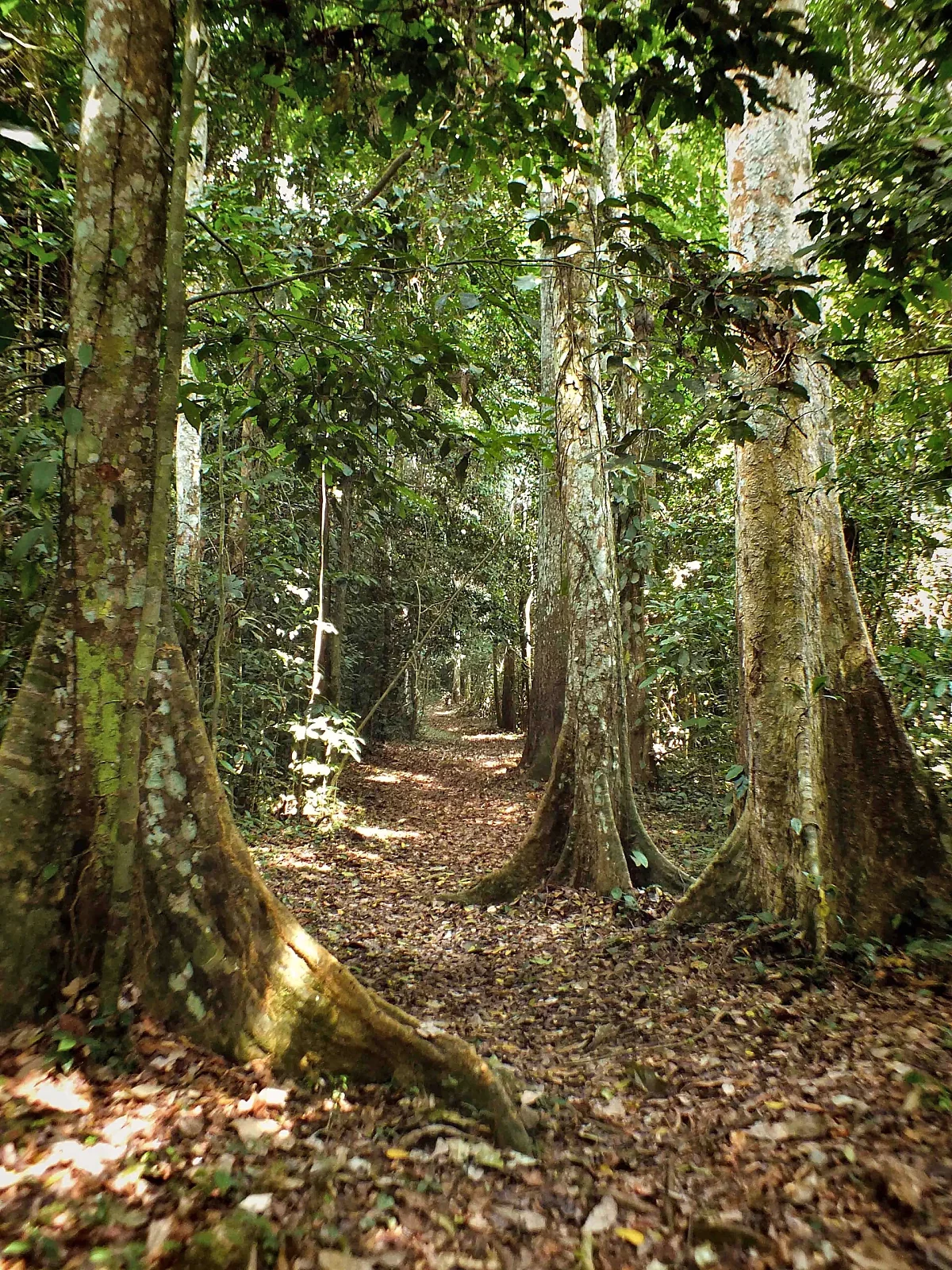
Asantemanso, a sacred grove near Essumeja in the Bekwai area, is the place Asante traditions name as the nation's origin. The best-known account says that the first ancestors came up out of a hole in the ground there, on a Monday night; one version specifies people of the Aduana clan, accompanied by a leopard, a frog and a dog, while others include the Oyoko. They built their first settlement at nearby Essumeja before spreading out to found the towns of Amansie. The grove still contains the origin spot and is a ritual centre closed to casual entry; seven pots there are said to stand for the Akan matriclans. Peter Shinnie and Brian Vivian excavated at Asantemanso from 1986 as part of the Asante Archaeological Project and found evidence of houses, pottery and iron-working pointing to long, continuous settlement, reportedly from at least the ninth century. The archaeology therefore supports the tradition's central claim that this is a very old Asante place.
Traditions vary on which clans emerged (Aduana, Oyoko or all), and some place the ultimate origin further south in Adanse. The ninth-century date was seen only in Wikipedia-derived text and not checked against Shinnie's publications.
Key facts
- Tradition: the ancestors emerged from a hole in the ground at Asantemanso.
- The first settlement was at nearby Essumeja.
- Excavated from 1986 by Peter Shinnie and Brian Vivian.
- Settlement is reported from at least the 9th century CE.