tradition; archaeology from c. 9th century CE
Asantemanso: the place of origin
Asantemanso
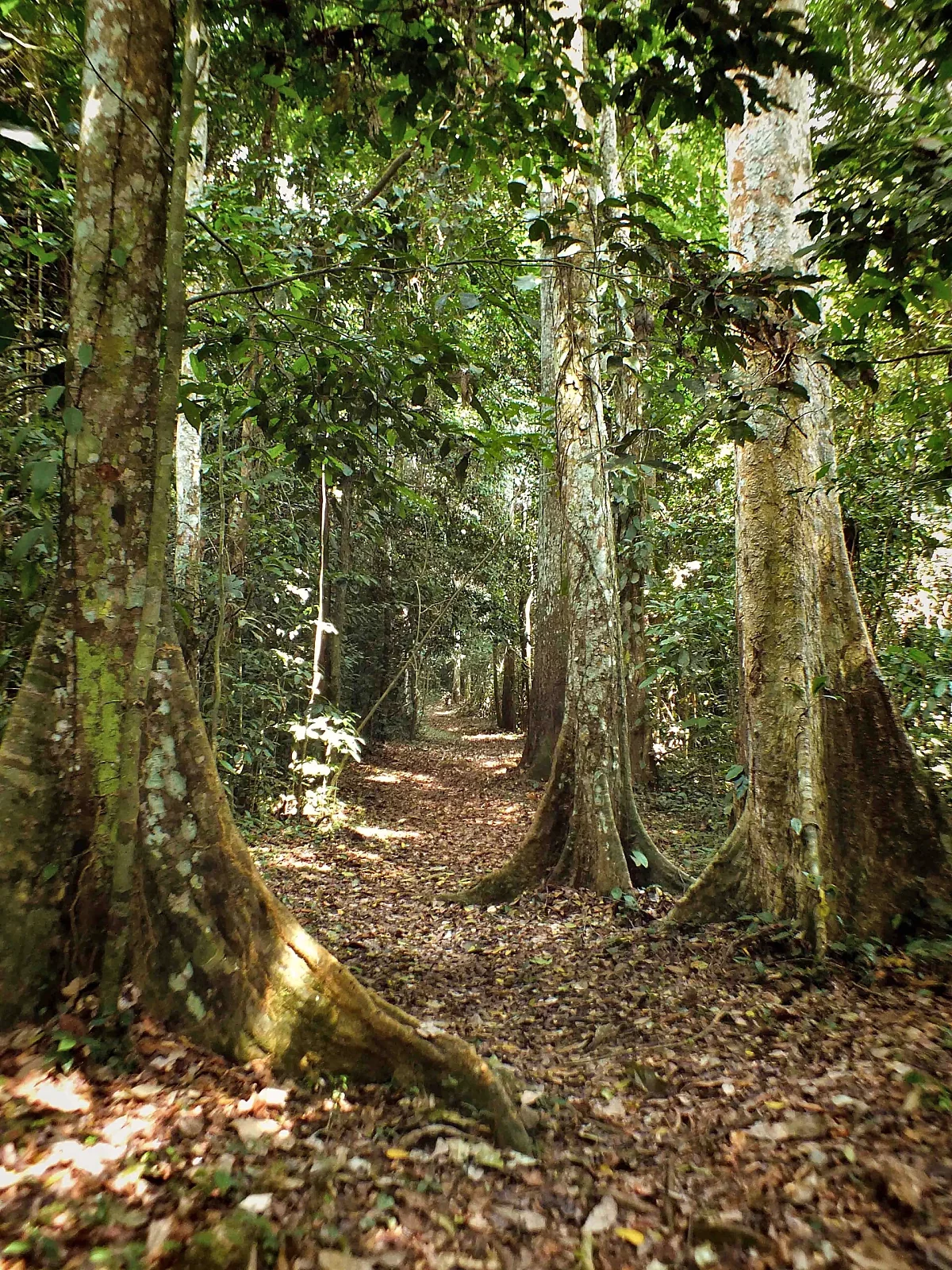
Asante royal tradition places the beginning of the people at Asantemanso, near Asumegya in the Amansie district south of Kumasi. The earliest written version is the history set down by Asantehene Agyeman Prempeh I during his exile. It tells of the ancestress Ankyewa Nyame coming down from the sky and of the first people emerging from holes in the ground. The scholars who edited the text read this as a claim to autochthony: a statement that the Asante belong to the land and did not arrive from elsewhere. Archaeology gives the tradition some depth. Excavations by Peter Shinnie and Brian Vivian found that Asantemanso was occupied from at least the ninth century CE, with possible earlier traces, and the editors of Prempeh's history note that Shinnie and Wilks disagreed about what this means for the dating of the forest Akan economy. From about the fifteenth century, people from Asantemanso are said to have founded Kumasi and neighbouring towns, after which the old settlement declined. Not every early writer agreed that the Asante were indigenous: Bowdich and Dupuis, writing in 1819 and 1824, both recorded stories of migration from elsewhere.
Asante tradition claims origin on the spot at Asantemanso. Bowdich (1819) reported a tradition of emigration from a country nearer the coast; Dupuis (1824) reported Muslim and local accounts that the Asante, Gyaman, Denkyira and Akyem had been driven south from earlier homes. Shinnie and Wilks disagreed on the chronology the archaeology implies.
Key facts
- Agyeman Prempeh I's history is the earliest written account of the Oyoko origin story at Asantemanso.
- The tradition has the ancestress Ankyewa Nyame descend from the sky and people emerge from holes in the ground.
- Excavation shows occupation at Asantemanso from at least the 9th century CE.