1837-1904
Kwasi Boakye and Kwame Poku: two boys sent to Holland
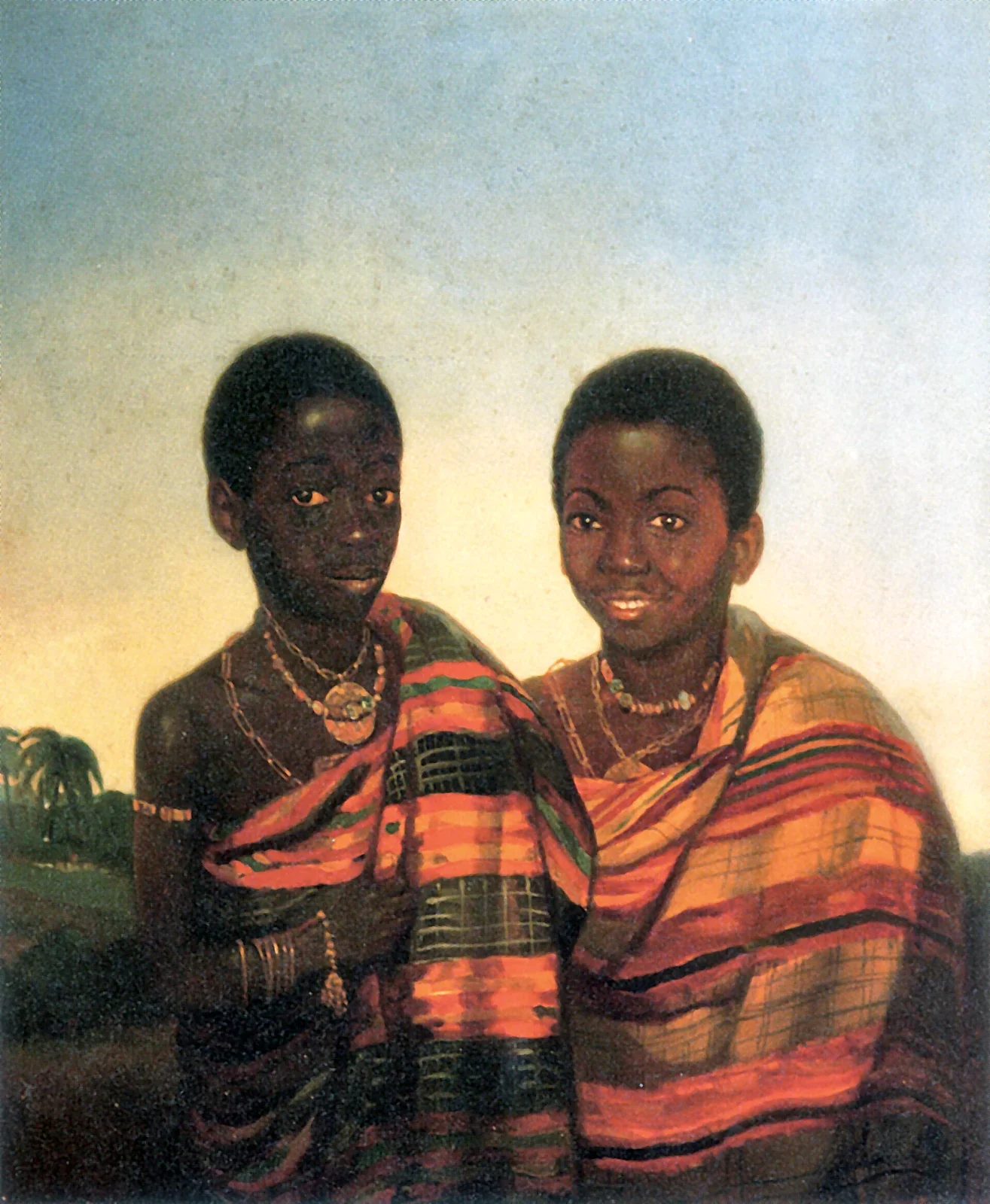
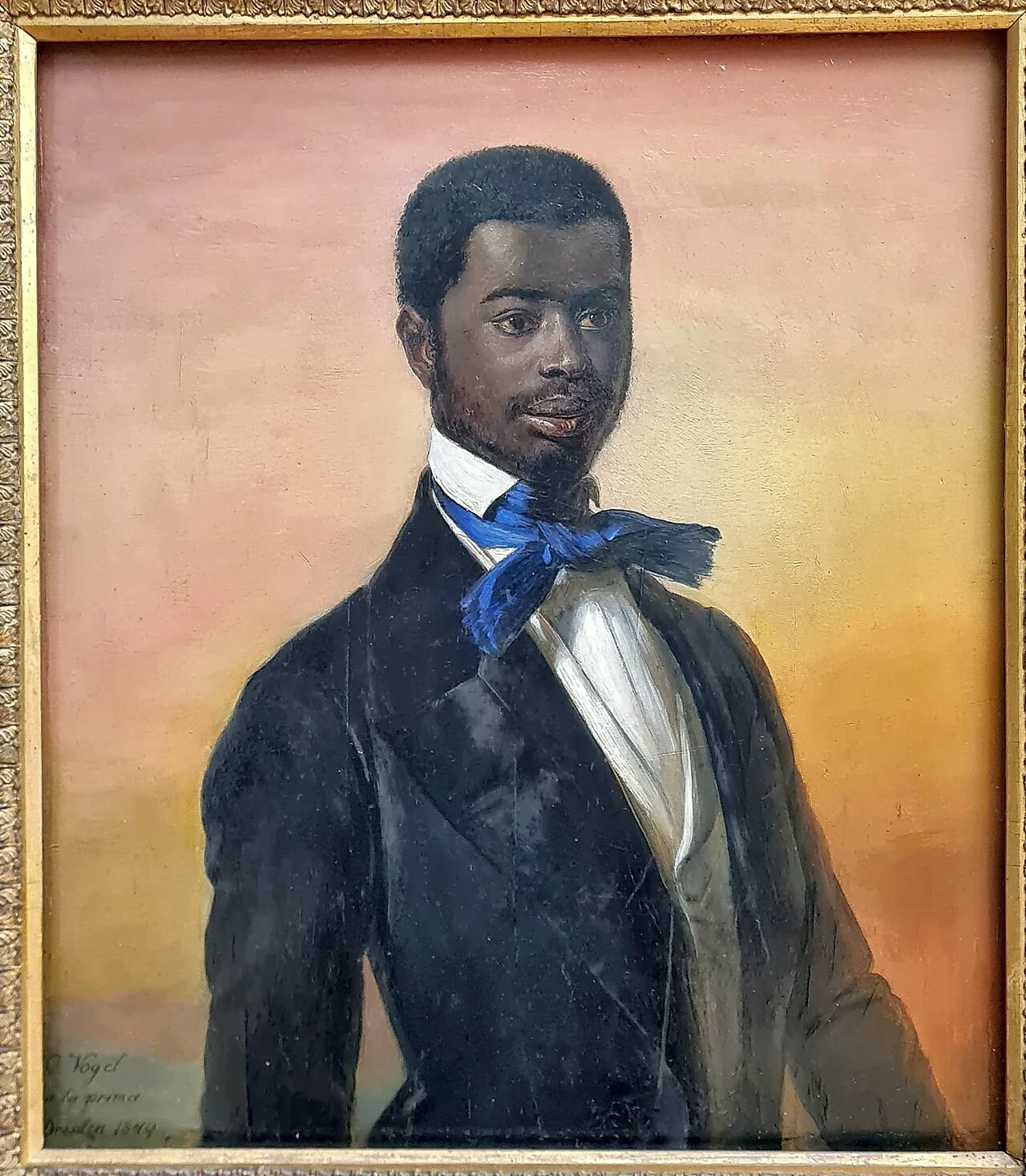
As part of the 1837 agreement Kwaku Dua I sent two boys of the royal house to the Netherlands with General Verveer, to be educated and returned. They were Kwasi Boakye (the Dutch wrote Boachi), the king's son, born in Kumase on 24 April 1827, and his cousin Kwame Poku. The arrangement echoed the British practice of 1831, when two Asante princes were lodged at Cape Coast as security for the peace and then schooled. The two careers ended very differently. Kwame Poku went back to the Gold Coast as planned. Kwasi Boakye did not. He trained as a mining engineer at the Royal Academy at Delft, graduating in 1847, attended lectures at the mining academy of Freiberg in Saxony, and in 1850 was posted to the Netherlands East Indies. There he considered that his superior discriminated against him; he was awarded compensation in 1857 and granted an estate at Bantar Peteh, south of Buitenzorg (Bogor) in Java. He published papers on Java's coal deposits and on its Chinese communities in 1855-56, was made an honorary member of the Delft engineers' association in 1893, and died on his estate on 9 June 1904, aged seventy-seven, having never returned to Asante. Arthur Japin's novel The Two Hearts of Kwasi Boachi (1997) is based on the boys' story but is fiction. For Kumase the plan to acquire Dutch-trained princes produced nothing; the British-educated Owusu Ansa family proved far more useful.
Kwame Poku's later life and death on the Gold Coast are not described in the sources opened; accounts that he took his own life at Elmina were not verified.
Key facts
- Kwasi Boakye was born in Kumase on 24 April 1827, a son of Kwaku Dua I.
- He and his cousin Kwame Poku were sent to the Netherlands in 1837.
- Boakye graduated from the Delft Royal Academy in 1847 as a mining engineer.
- He died on his estate in Java on 9 June 1904.