recorded 1921-22
Three kinds of weight
abrammuo; mrammuo
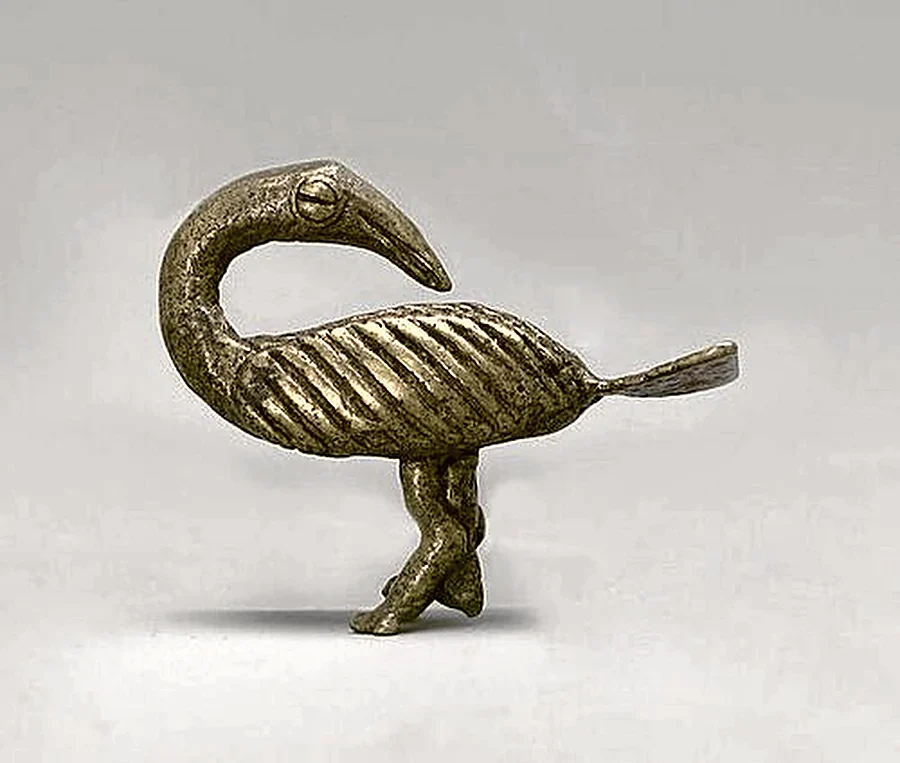
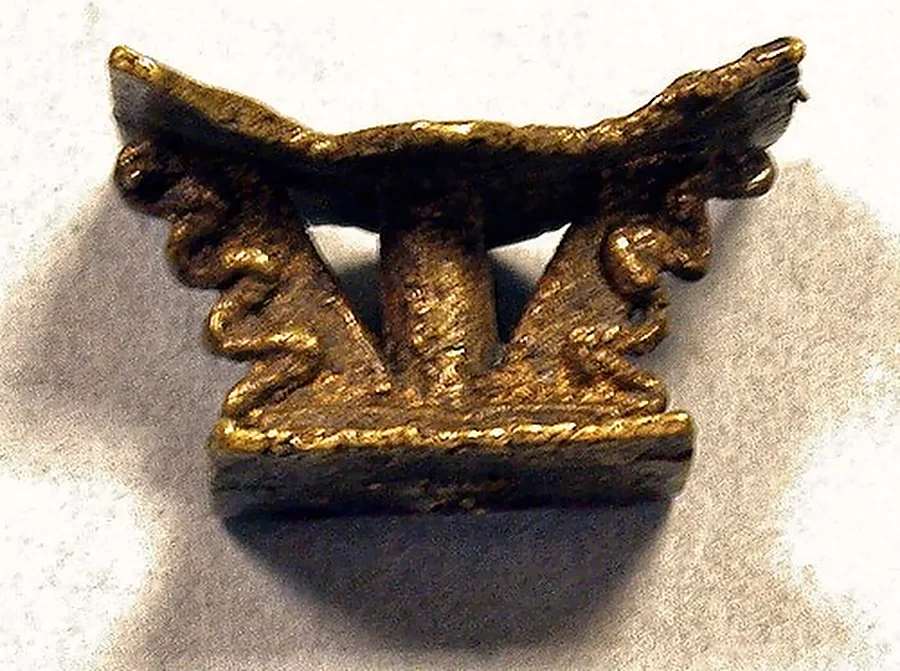
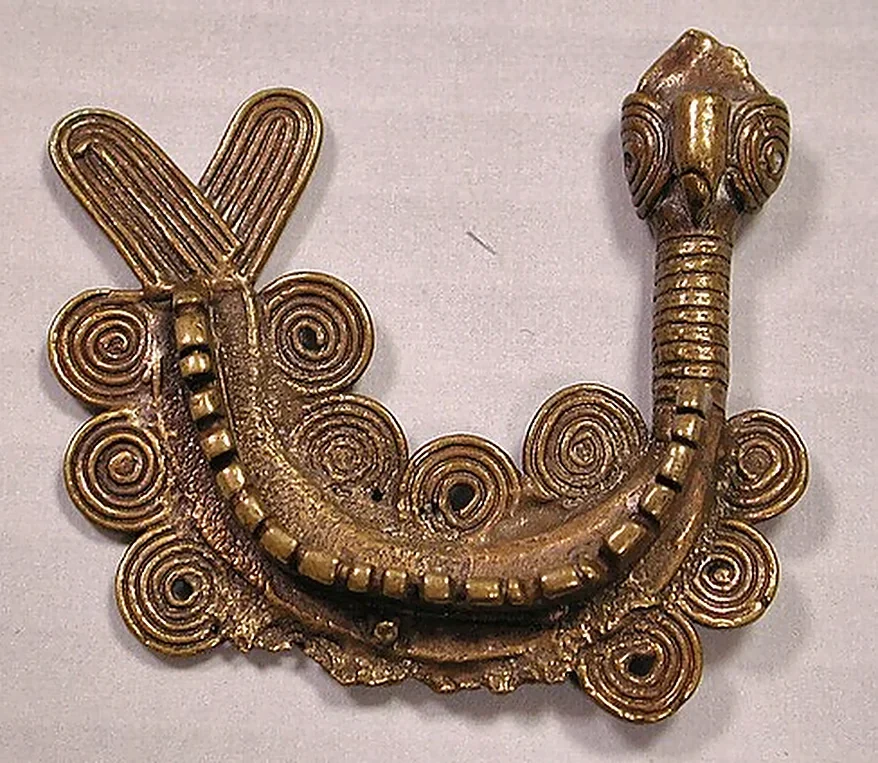
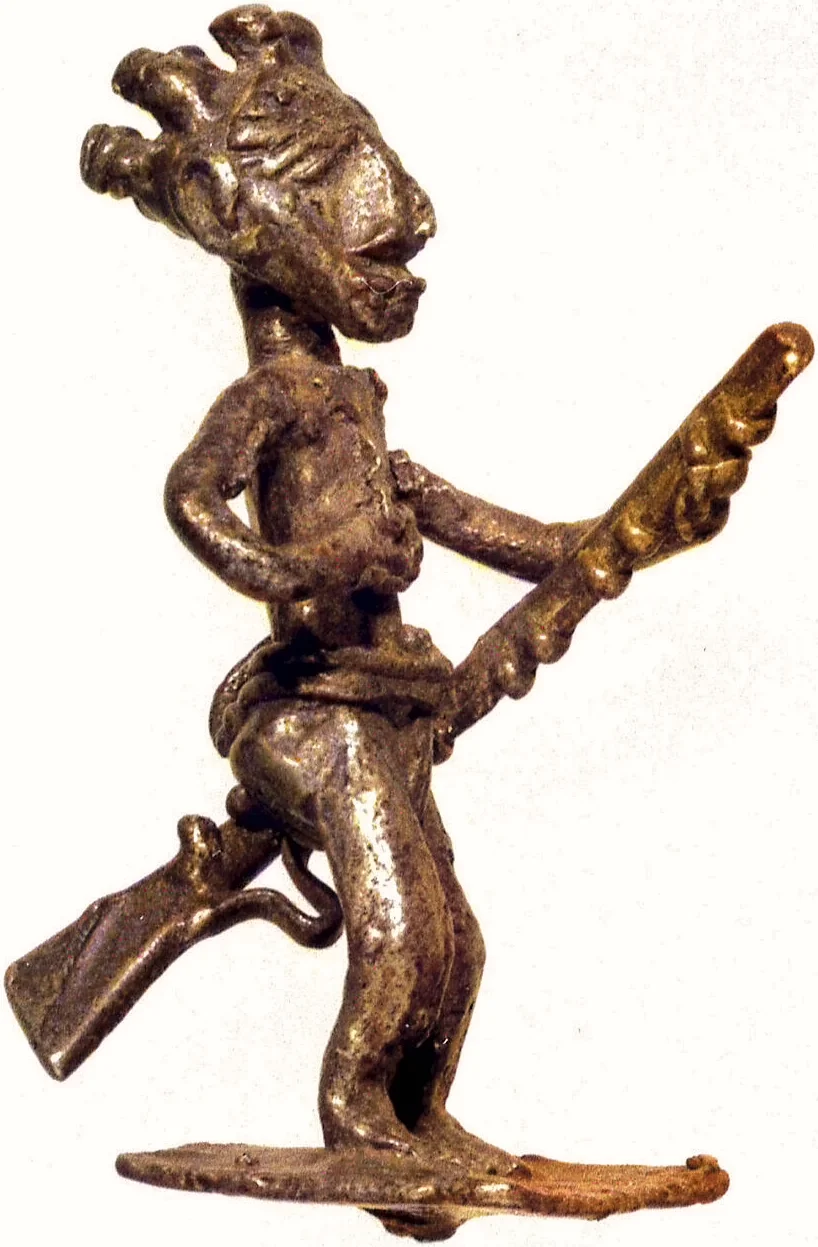
Rattray, who collected nearly a thousand weights in 1921-22, sorted them into three groups: figures of people, animals, birds and insects, alone or acting out a scene or a saying; models of things, plants, weapons and tools; and geometric designs. He thought the first two groups probably all stood for proverbs. For a simple figure such as an elephant or a crab, he wrote, six people might each quote a different saying, all equally correct; for a compound scene one proverb was generally agreed. A design had no fixed link with a unit of weight. He asked whether weights were ever sent as messages and found only one case: a creditor might send the weight for one suru to a debtor as a reminder. A district officer suggested to him that the geometric weights served trade and the proverb weights the fines of the courts.
Key facts
- Three groups: figures, objects, geometric
- Simple figures can carry several proverbs
- No fixed link between design and unit