2016
Lake Bosomtwe Biosphere Reserve (UNESCO, 2016)
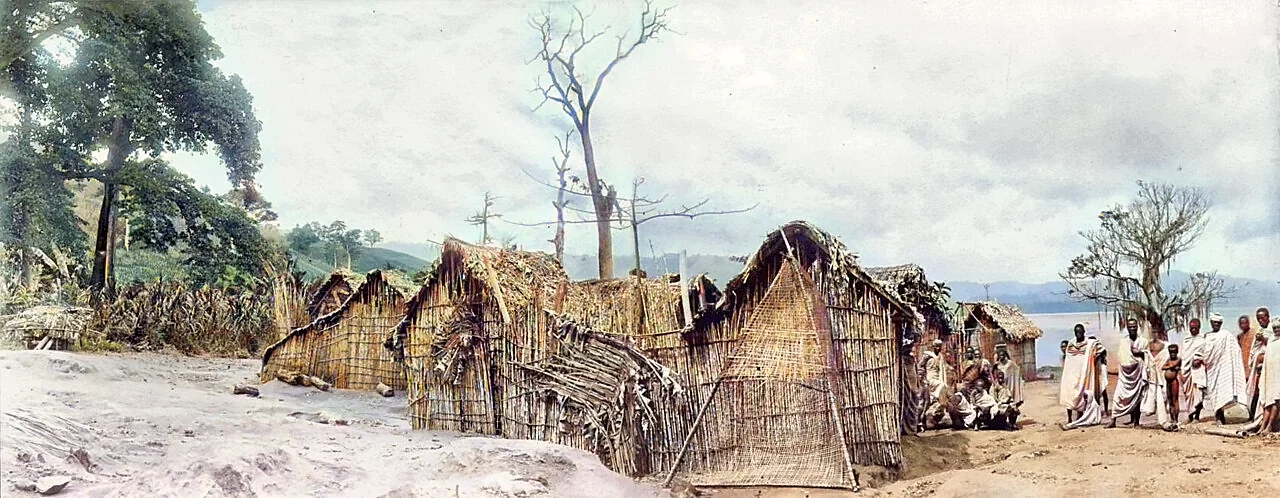
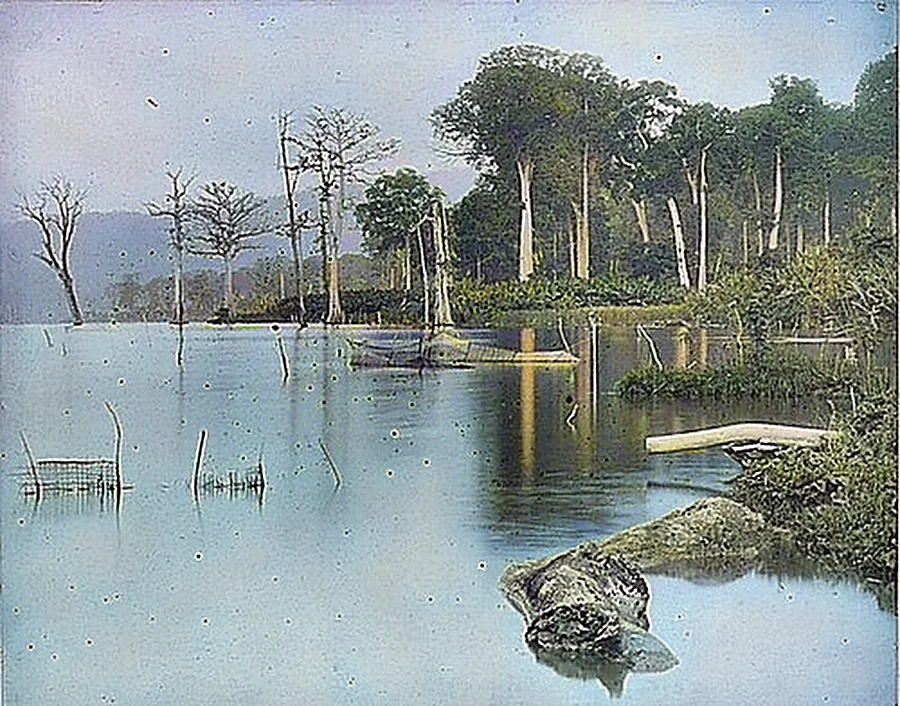
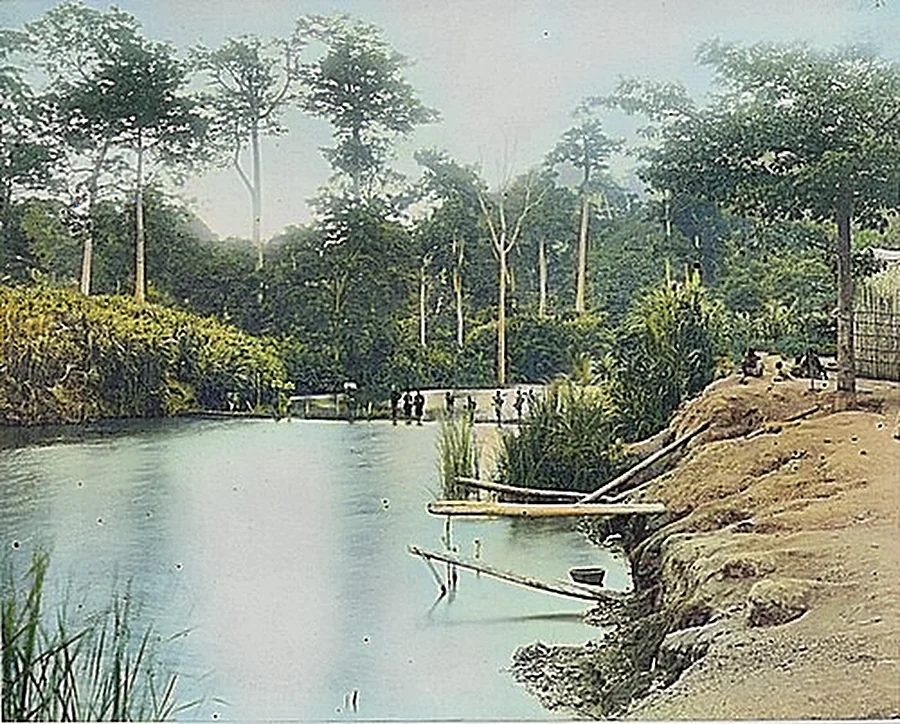
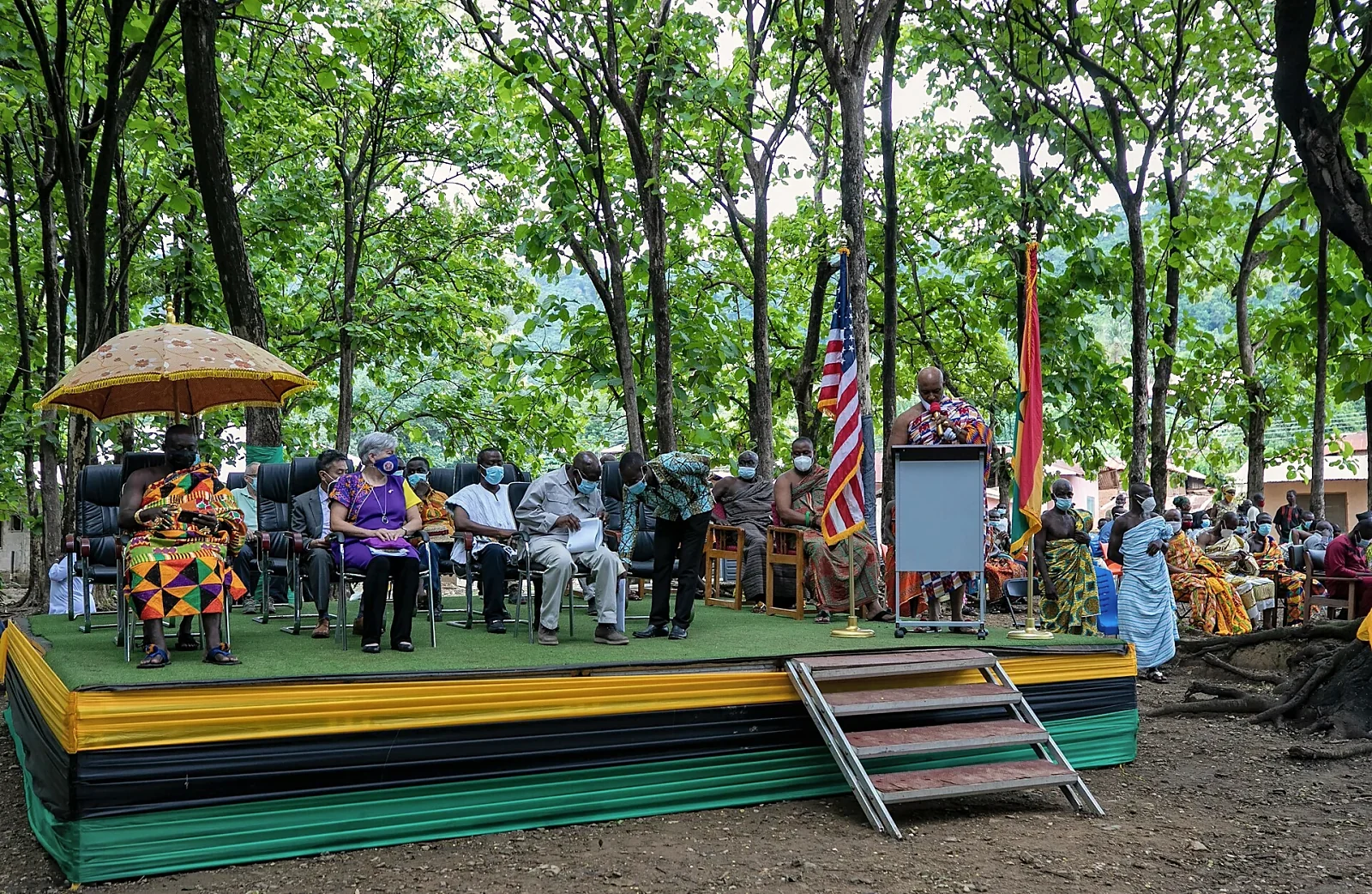
In 2016 UNESCO admitted Lake Bosomtwe to its World Network of Biosphere Reserves under the Man and the Biosphere Programme; the conservation group A Rocha Ghana reported the decision on 3 May 2016. It became Ghana's third biosphere reserve, after Bia (1983) and Songor (2011). A biosphere reserve is not a closed park. It is a managed landscape in which a protected core is surrounded by zones where people continue to live, farm and fish, and the designation is meant to reconcile conservation with local livelihoods. UNESCO's advisory committee welcomed the nomination of what it called the only natural lake in Ghana. Later reports funded by the Rufford Foundation warn that farming on the crater slopes, over-fishing and unplanned building continue and could undermine the designation. The lake's long-standing sacred status and its fishing taboos are often cited as the cultural foundation on which the modern reserve was built.
Key facts
- Designated a UNESCO Biosphere Reserve in 2016.
- Ghana's third biosphere reserve after Bia (1983) and Songor (2011).
- Announcement reported by A Rocha Ghana on 3 May 2016.