May 1931 to 1932
The funeral of Prempeh I, 1931, and the rites a year later
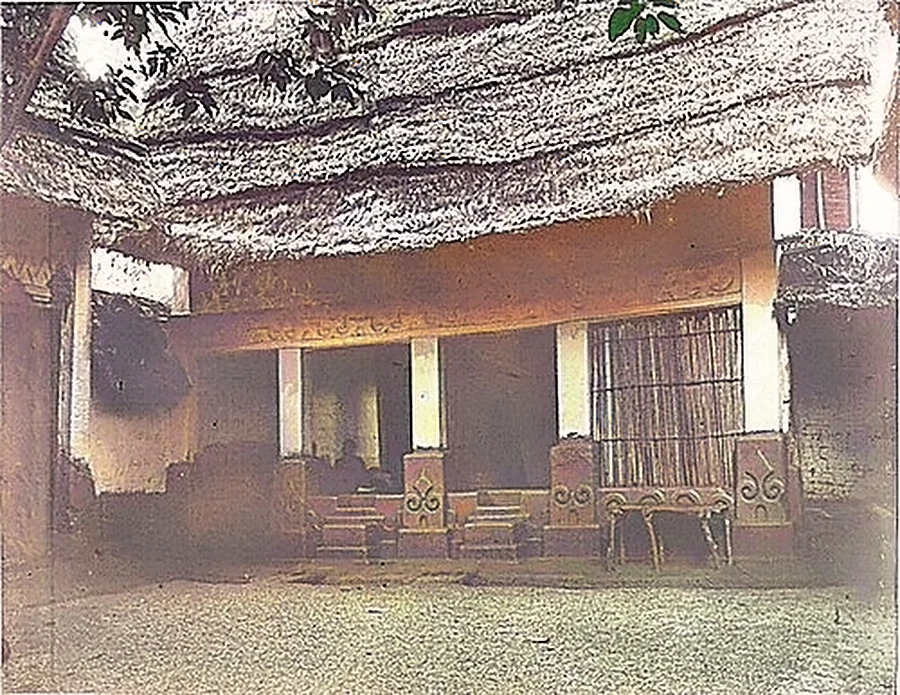
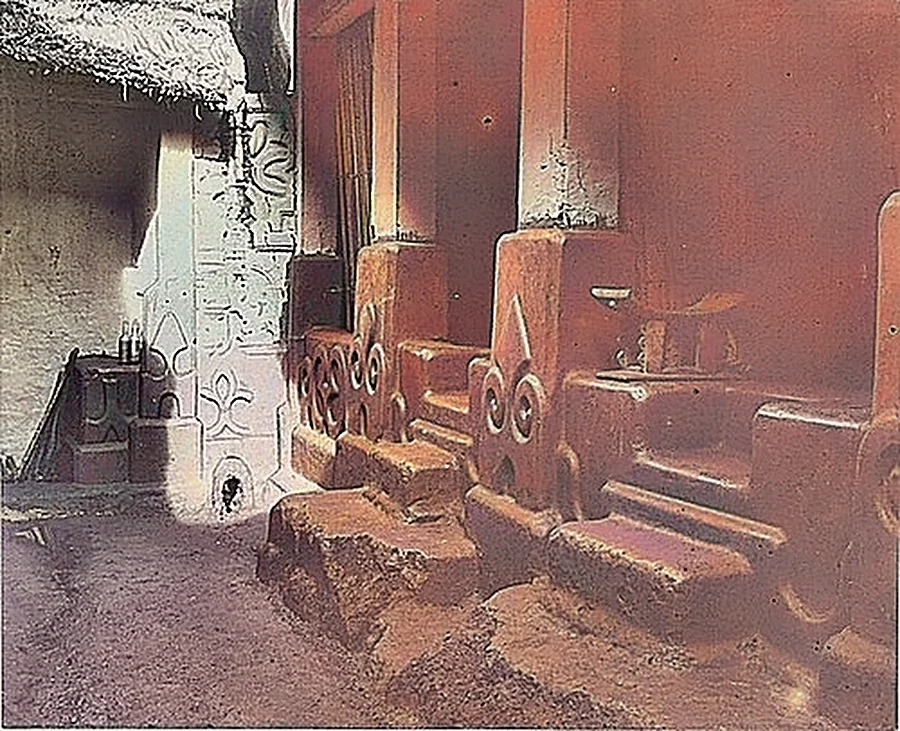
Aya Kesee (the great brass basin of Bantama)
Agyeman Prempeh I died in May 1931, seven years after his return from exile. He had been recognised by the British only as Kumasihene. John Mack's study of royal burial under colonial rule treats his funeral as the moment the kingship was in practice restored.
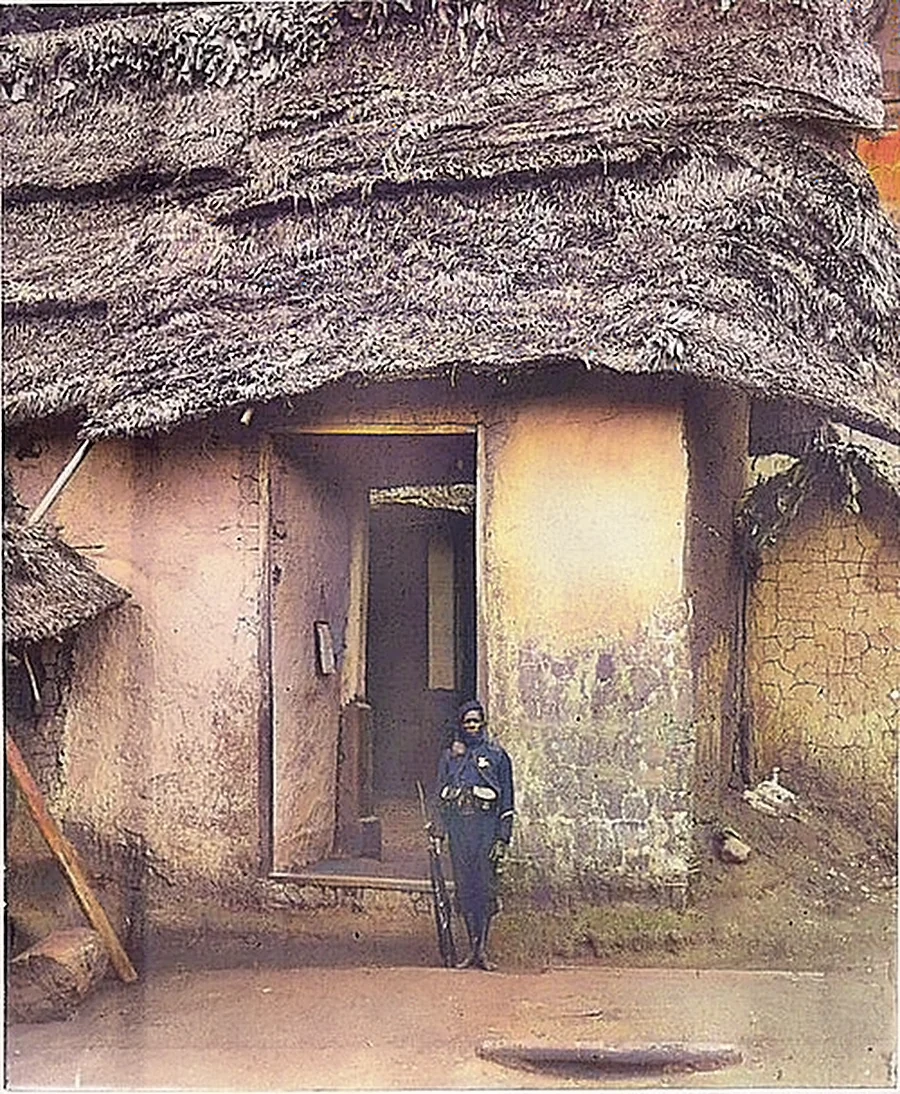
The arrangements were made by his family and the Kumasi chiefs, not by the administration. Because the forms followed were a version of those for an Asantehene, more than forty years after the last such funeral, the colonial government feared for the many strangers in the town; the market and Manhyia were given a police guard and some foreigners asked for protection. Rumours of killings were never confirmed. The proceedings passed off quietly and the special measures were lifted in little more than a day, on the evidence of the historian William Tordoff.
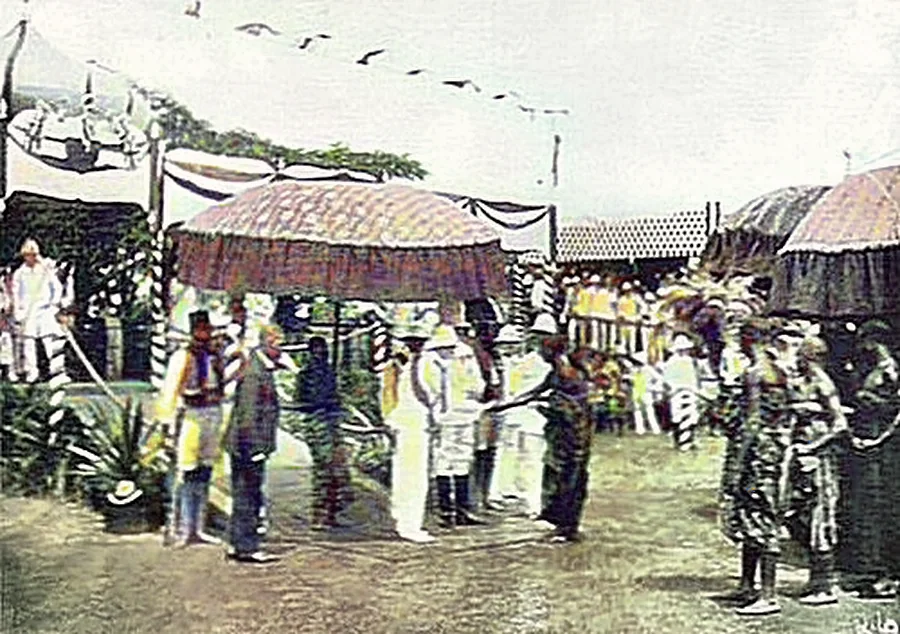
The procession went from Manhyia to the Anglican church of St Cyprian, where the band of the Gold Coast Regiment played at the family's request and the priest read the burial service. The coffin was then taken to Bantama, 'as a gesture toward tradition', and carried on to Breman for burial. This is the route every later royal funeral has followed.
A year later the secondary rites were held under his successor Prempeh II, who opened them in a war dress reserved for the Asantehene. Mack also records an earlier rehearsal: Prempeh I brought home the remains of those who had died in the Seychelles in 1930 and held a 'general funeral custom' lasting fifteen days. He had asked for the rebuilding of the Bantama mausoleum and the return of its great brass basin; the mausoleum was rebuilt but, Mack says, stayed empty.
Mack says the brass basin is in the National Army Museum, London, and the rebuilt mausoleum 'remains empty today'; first-pass records could not source the basin's later history.
Key facts
- Prempeh I died in May 1931; family and Kumasi chiefs arranged the funeral.
- Route: Manhyia, St Cyprian's Anglican church, Bantama, then burial at Breman.
- Police guarded the market and palace; the fears of violence proved unfounded.
- Prempeh II led the secondary rites a year later in the Asantehene's war dress.